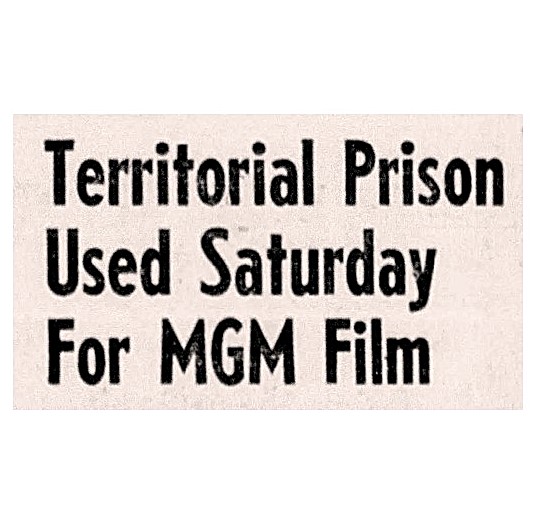
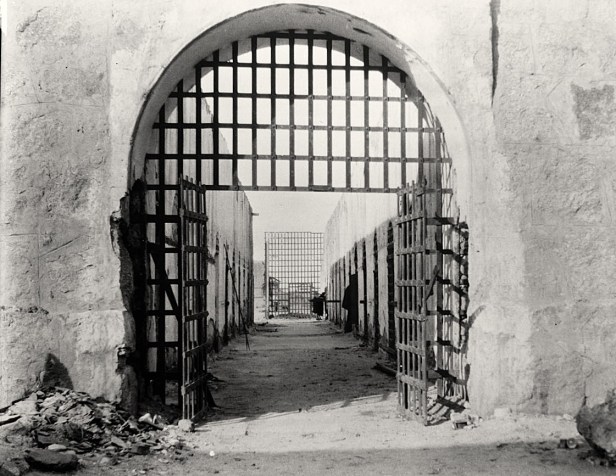
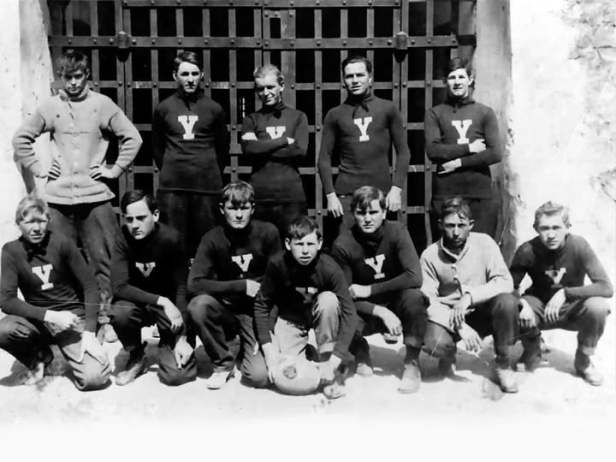
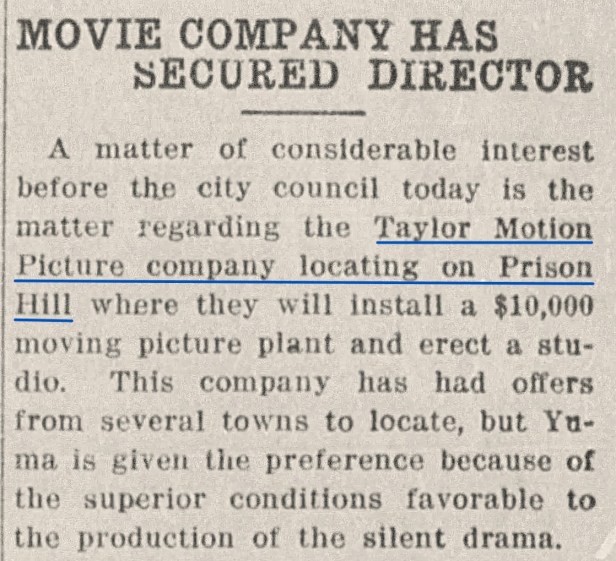
Yuma was the home of the Arizona Territorial Prison from 1876 to 1909. There are many fascinating stories from the prison’s 33-year period of operations, but the 116 or so years since the closure have also been very eventful. Yuma High School held classes at the vacated Yuma Territorial Prison from 1910-1914 during construction of the new high school. In 1915 a film studio called the Taylor Motion Picture Company was established on Prison Hill. (Four local films were produced during the company’s two years in Yuma.) For several years a VFW clubhouse was located on the prison grounds. In 1941, after years of anticipation, the Territorial Prison museum was opened to the public. And for over a century, beginning in 1916, Hollywood and independent filmmakers have used the Yuma Territorial Prison as a filming location.
The Honor System (1917)

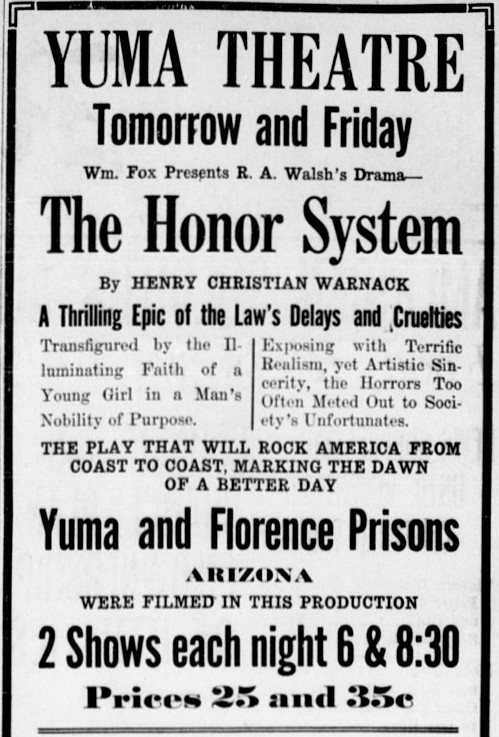
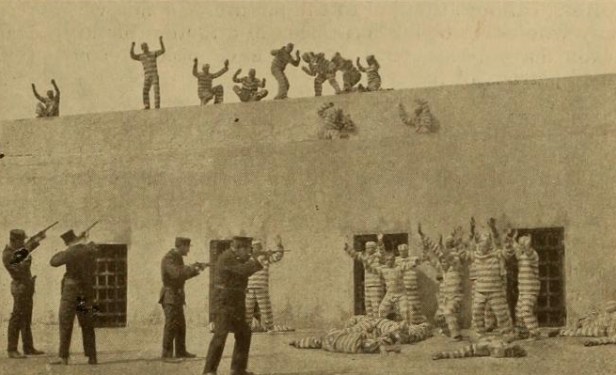
“The Honor System” was directed by Raoul Walsh, who would return to Yuma in 1930 to film the opening scenes of “The Big Trail.” Arizona Governor George Hunt, an advocate of prison reform, allowed Walsh to film at the state prison in Florence, using actual prisoners and guards in addition to the film’s cast. Around 60 inmates from the Florence facility were also transported to Yuma’s Territorial Prison to participate in filming from April 20-23, 1916.

The Three Musketeers (1933)
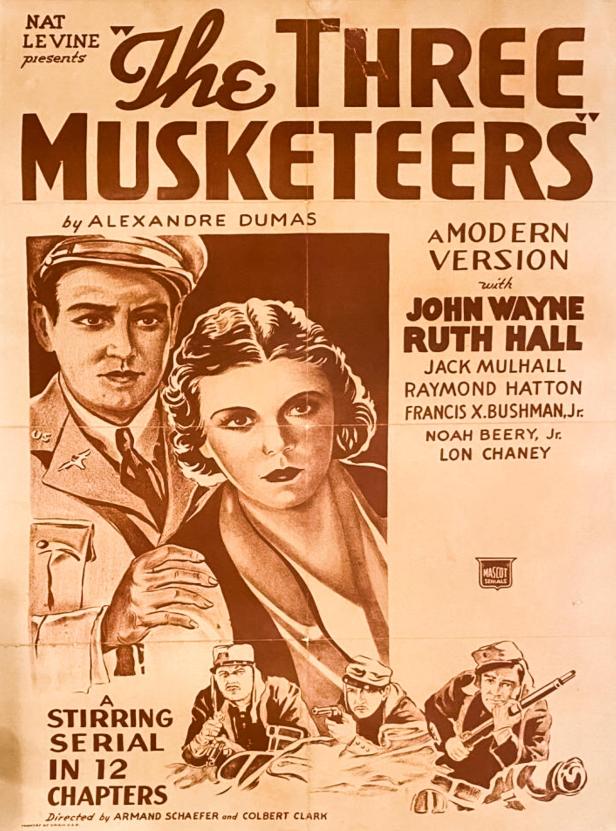
Three years before starring in “The Three Musketeers,” John Wayne had been in Yuma filming scenes for Raoul Walsh’s “The Big Trail.” Wayne’s first leading performance at age 23 was outstanding, but his career was stalled by the failure of “The Big Trail” at the box office. For the next several years John Wayne was relegated to roles in “B” movies produced by Hollywood’s Poverty Row companies. “The Three Musketeers” was a 12-part serial, meaning that theaters typically showed one (roughly 20 minute) chapter of the serial, along with a full-length movie, plus a cartoon.
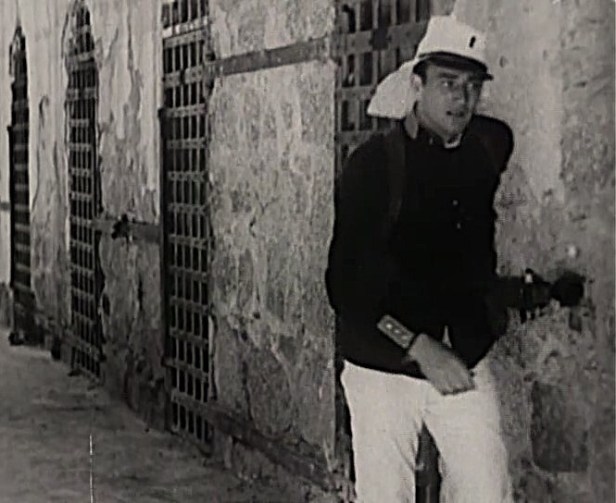
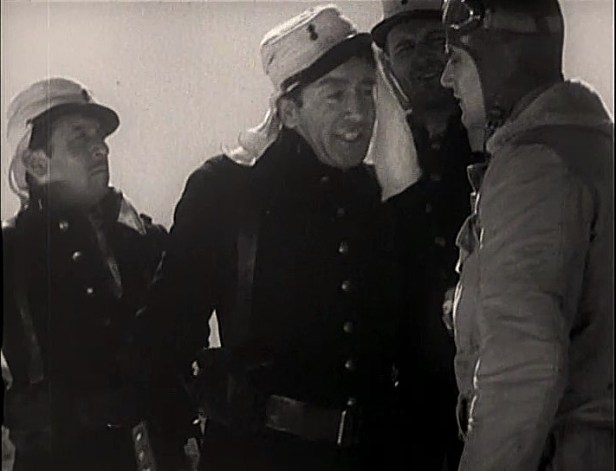
Filming of “The Three Musketeers” was completed at the Territorial Prison, at the nearby Imperial Sand Dunes, and at the “beautiful Yuma hacienda” of Dr. John Stacy. In the movie, the Territorial Prison represents a desert fortress occupied by the French Foreign Legion.
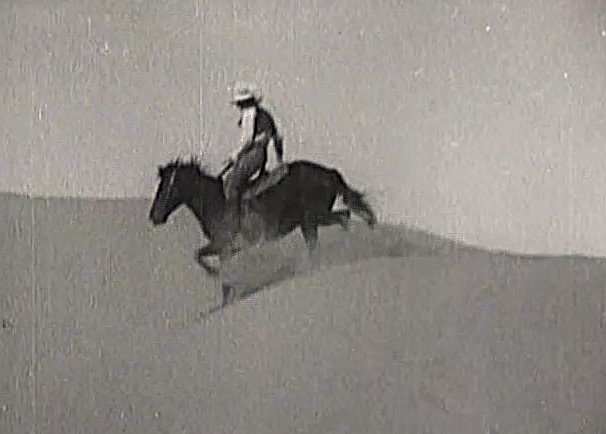
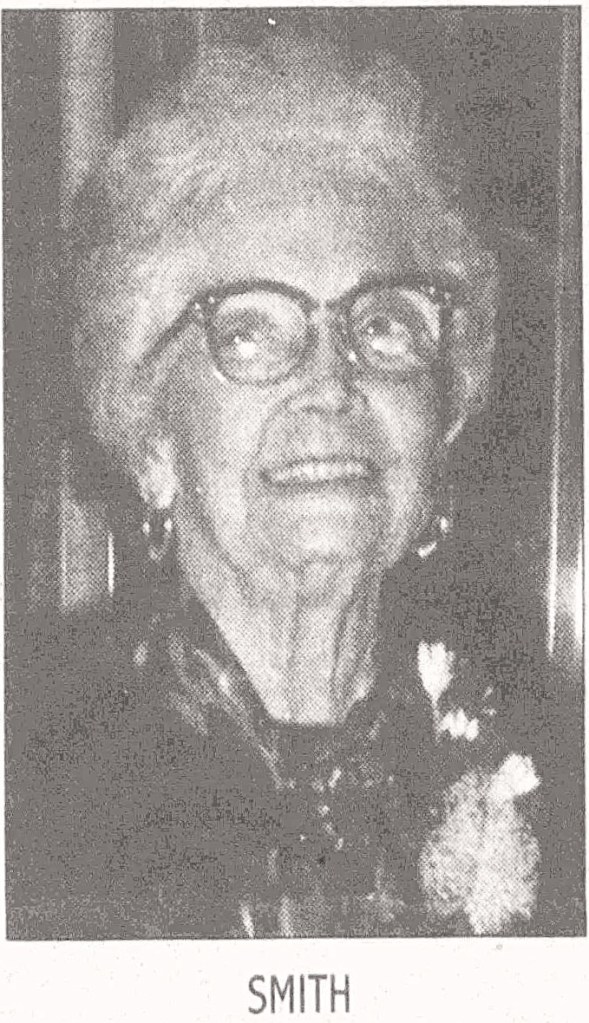
In a 1995 oral history interview at the age of 93, Lillie Smith reflected on her experiences sixty-two years earlier during the filming of “The Three Musketeers”: “I did all the riding in that show, mostly over the sand hills on those big old ridges . . . and also on the edge of the mesa here.” Naturally, she was also asked about John Wayne—with whom she shared several scenes since Wayne did his own riding during the filming: “Most people know John Wayne was handsome. [Laughs] He was a real good looking fellow, and he was a nice guy.”
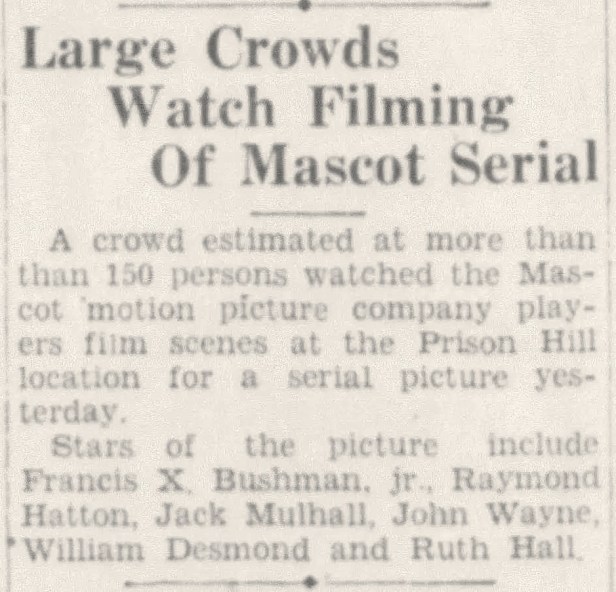
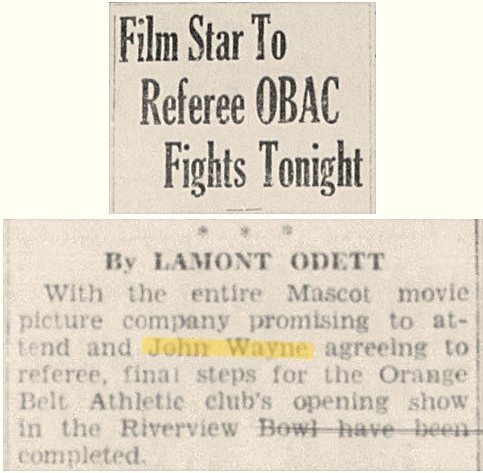
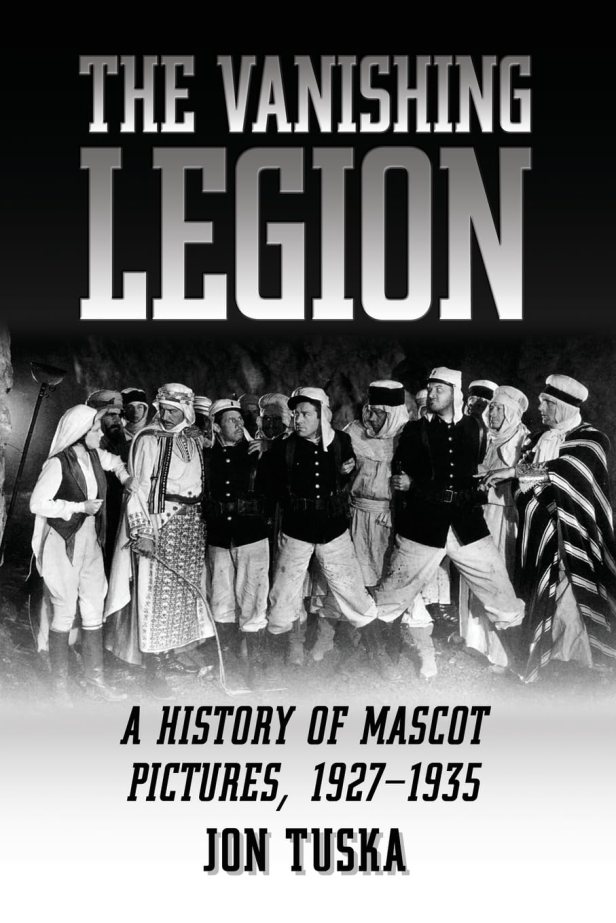
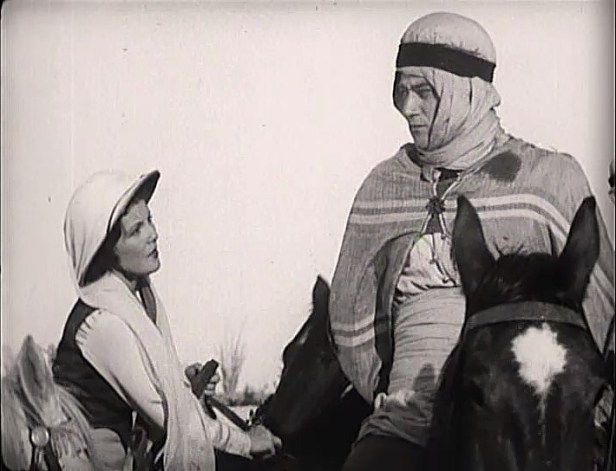
John Wayne’s blunt recollections of filming “The Three Musketeers” in Yuma (as quoted by Jon Tuska):
- “The usual working day was twelve to twenty hours.“
- “We didn’t have a hell of a lot of dialogue. And we didn’t fool around with retakes.“
- “[Producer Nat Levin] found some tired beasts in Yuma. Well, they were ready for the glue factory.”
- “We shot ‘The Three Musketeers’ . . . with temperatures hitting 120 degrees during the day.”
Red River Valley (1936)
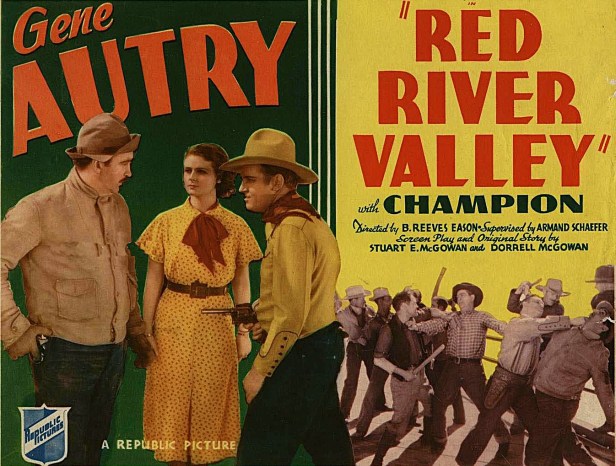
In “Red River Valley,” the Colorado River represents the Red River of Texas. Since the plot concerns rival dam construction companies, most of the filming took place at the Laguna Dam. As pictured below, the Territorial Prison was also used as a filming location.
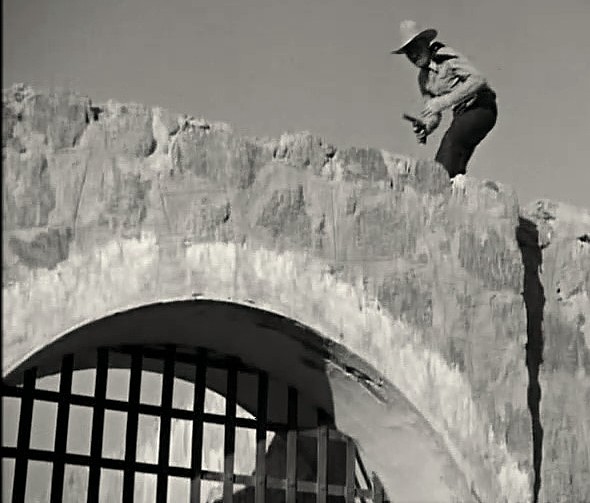
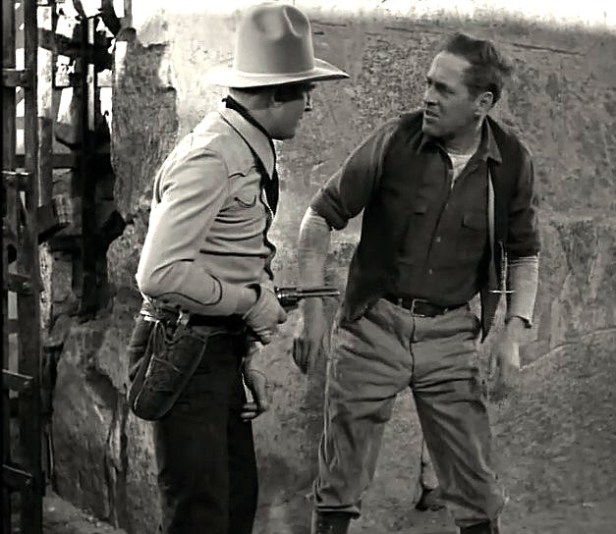
In the above scene at the prison, Gene Autry leaps down to tackle one of the film’s villains. Gene is pictured below apprehending the same henchman at the dam.
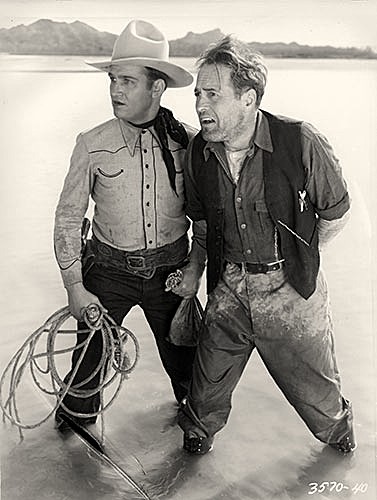
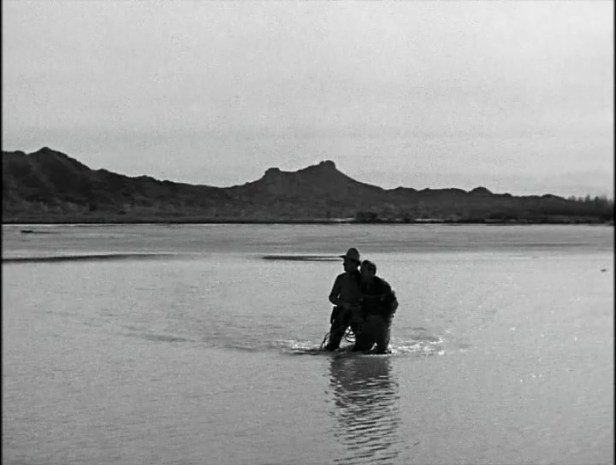
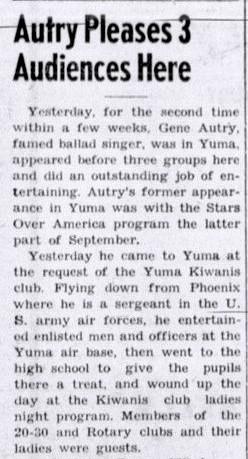
Gene Autry served with distinction in World War II. When he visited Yuma on November 5, 1942, Autry was a Sergeant in the Army Air Corps. He later flew cargo aircraft as a Flight Officer.
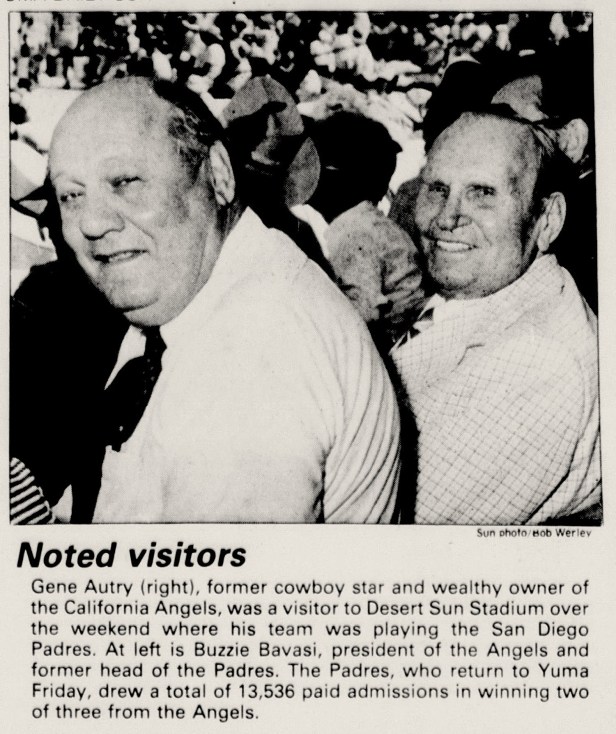
Gene Autry was the owner of the California Angels baseball team from 1961 to 1997. During the era of San Diego Padres spring training in Yuma (1969-1993), the Angels held their spring training in Palm Springs, California. The above photo shows Gene Autry, along with team president Buzzie Bavasi, enjoying a March 1984 game at Yuma’s Desert Sun Stadium.
Preserving Yuma’s Territorial Prison
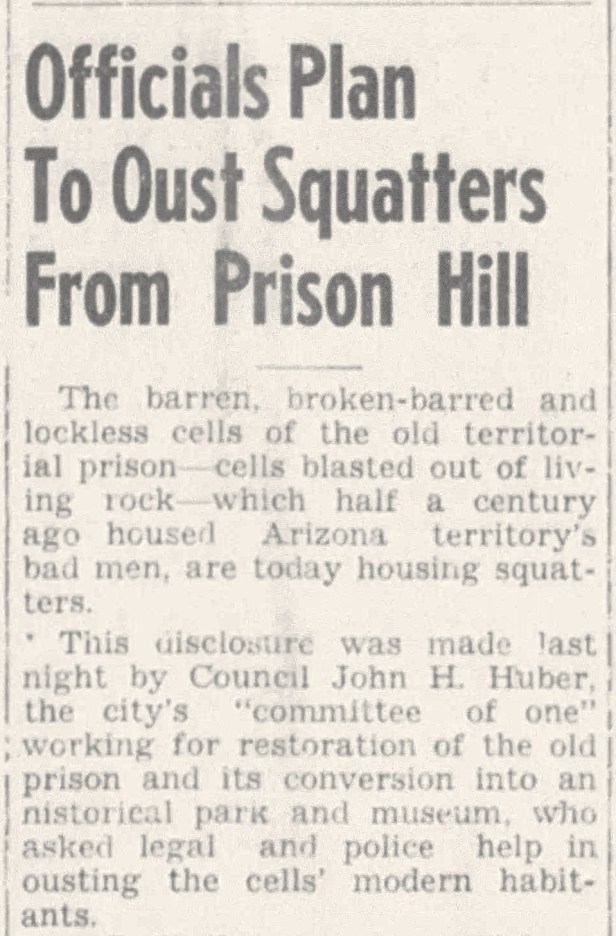
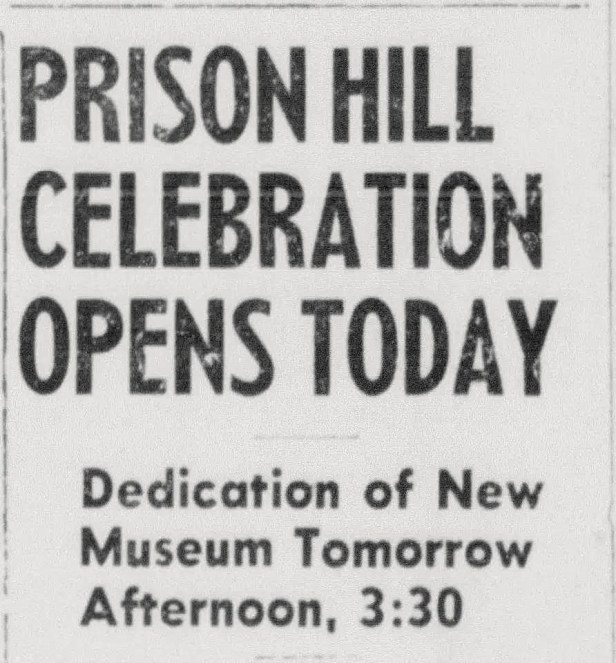
When John Wayne and Gene Autry took part in motion picture filming at the Yuma Territorial Prison in the 1930s, the original facilities had greatly deteriorated. Vandalism and pilfering had occurred for years, and squatting by victims of the Depression was also commonplace. Fortunately, several farsighted local citizens recognized the cultural and historical importance of repairing and preserving what remained of the old Arizona Territorial Prison. The prison museum which was dedicated in March 1941 continues its educational mission today, while also serving as one of Yuma’s prime tourist attractions.
The Badlanders (1958)
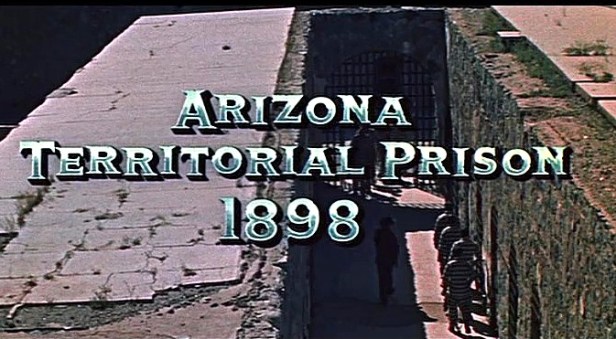
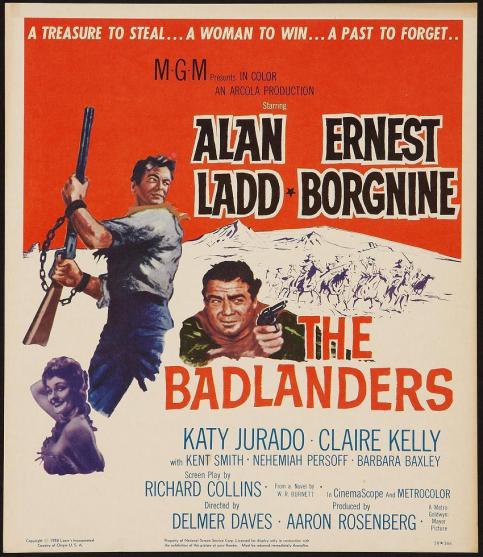
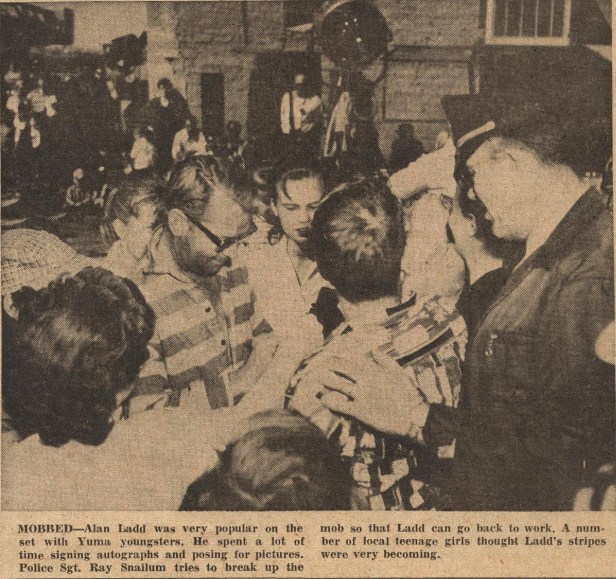
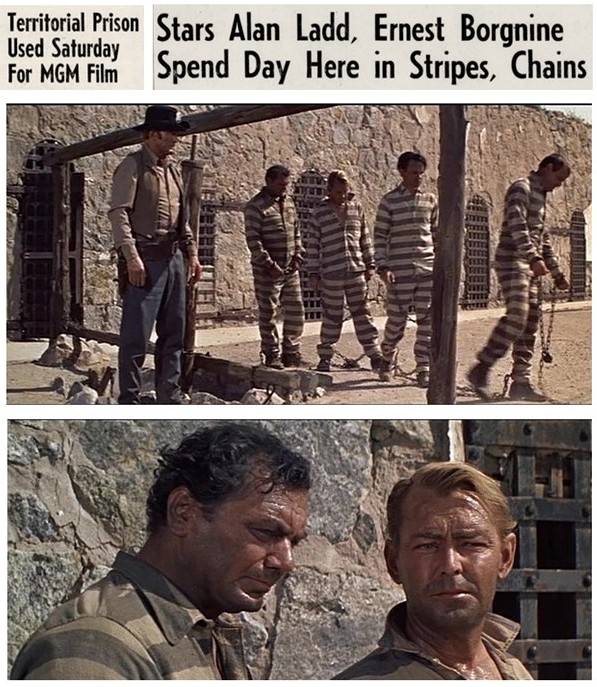
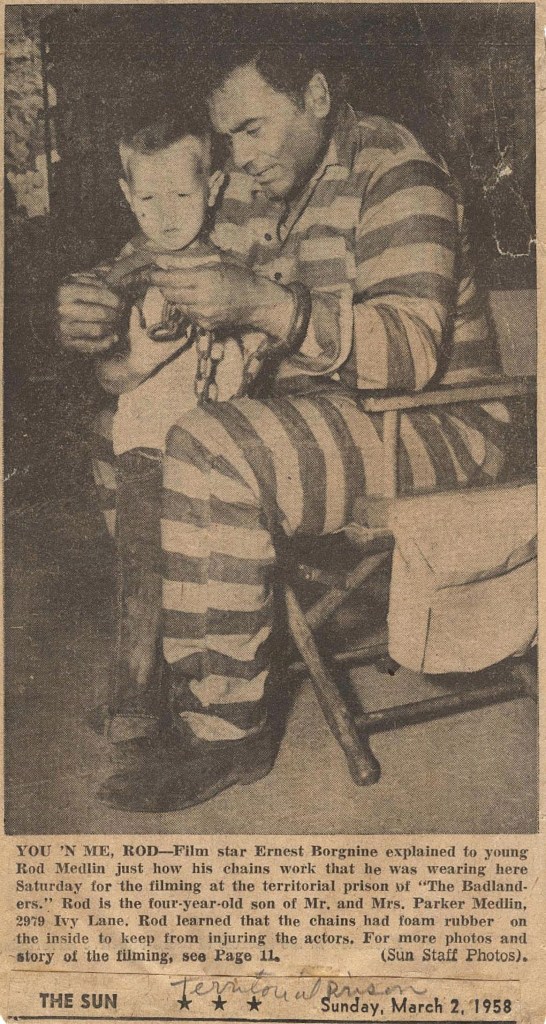
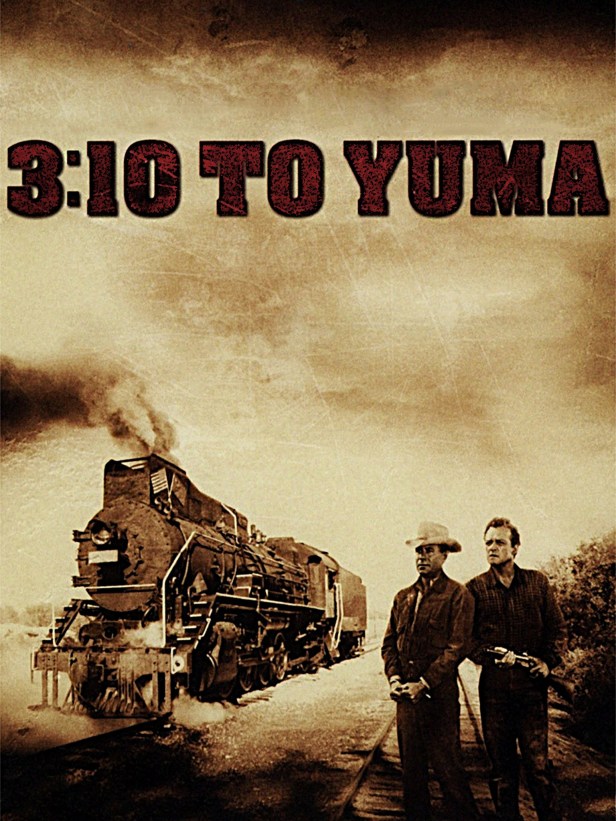
A year earlier, “Badlanders” director, Delmer Daves, had made the original version of “3:10 to Yuma.” In the movie, the train bound for the Yuma Territorial Prison is of vital importance, but neither version (1957, 2007) of “3:10 to Yuma” was actually filmed in Yuma.
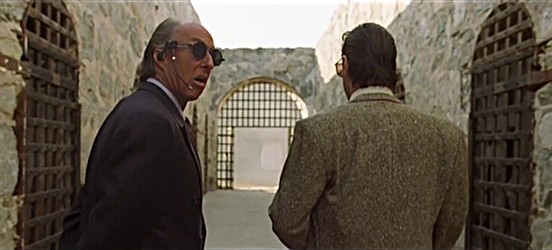
Nemesis (1993)
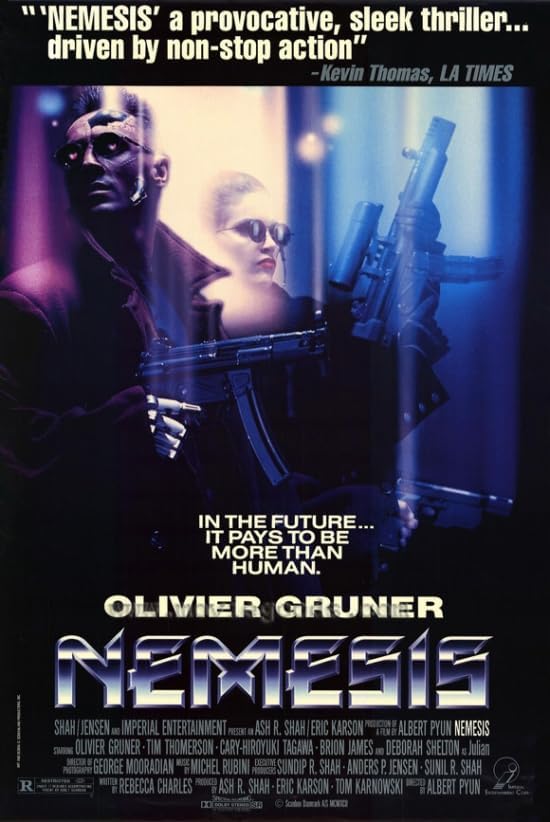
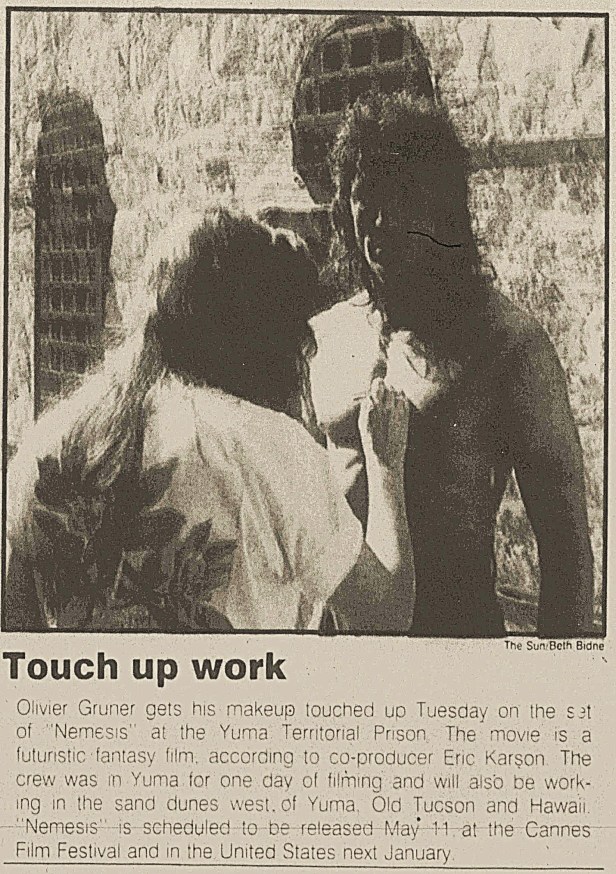
The Yuma Territorial Prison seems like a most incongruous filming location for “Nemesis,” which has been described as a “cyberpunk action film.” The American Film Institute catalog includes this synopsis: “In 2027, undercover Los Angeles Police Department officer Alex Rain is assigned to track and kill cyborg terrorists who smuggle illegal computer chips.”
“Nemesis,” which was followed by 4 sequels, was also filmed in Tucson, San Bernardino, and at various natural backdrops in Hawaii.
Ambush at Dark Canyon (2012)
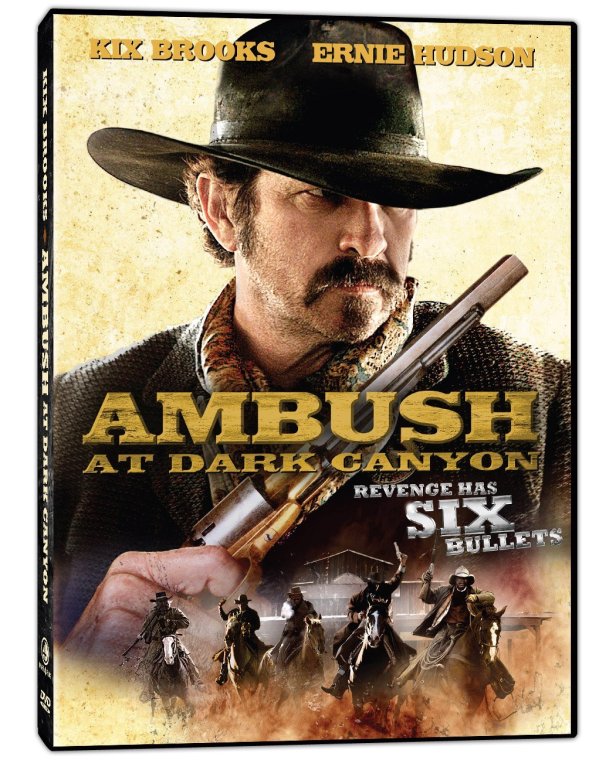
Kix Brooks achieved his fame as half of the acclaimed country music duo, Brooks and Dunn. During a hiatus from the group, Brooks achieved a lifelong dream of starring in a western film, while also serving as executive producer. The movie employs flashbacks to tell the story of a bloody 1890s bank robbery in which Duke Donovan, the Kix Brooks character, participates against his will. While imprisoned in Yuma for his role in the heist, Donovan orchestrates an escape.
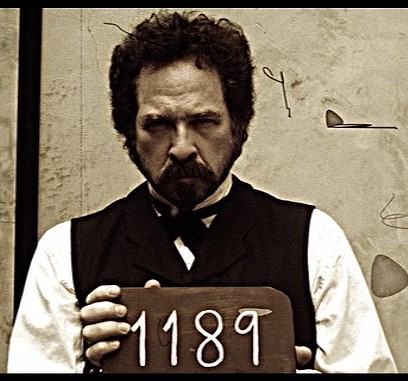
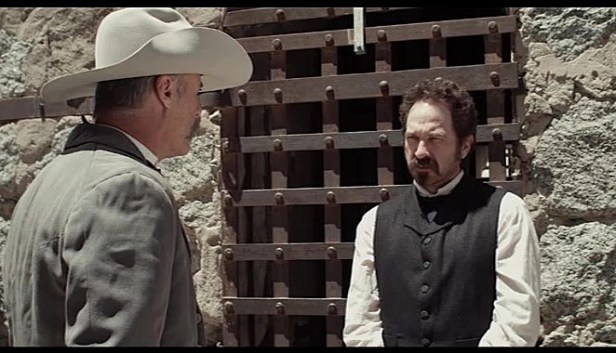
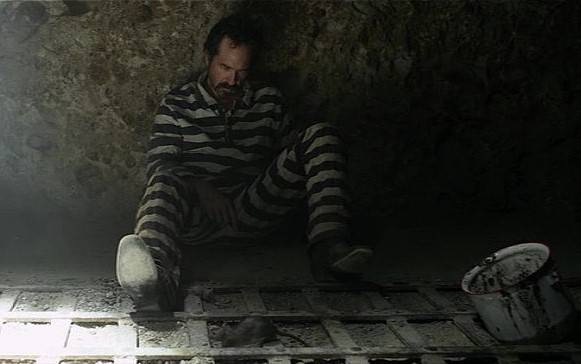
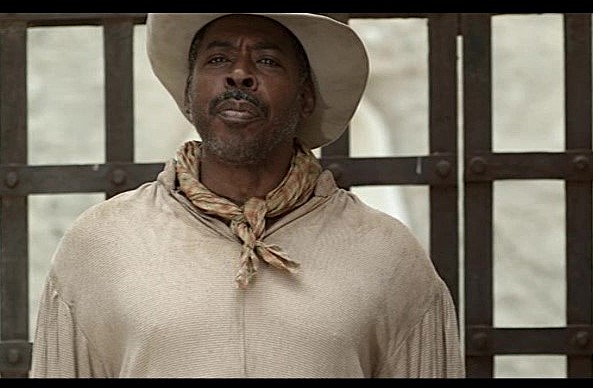
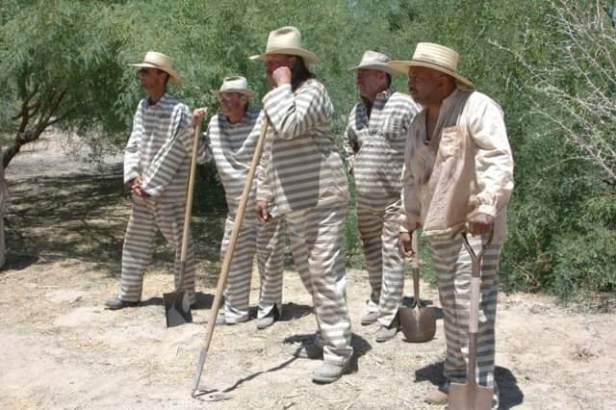
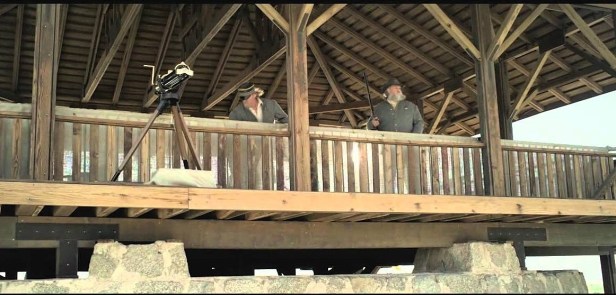
In a May 22, 2011 interview with the Yuma Sun, producer David Bennet described the Territorial Prison as, “a very important character in the film. It has a patina, a look that you couldn’t duplicate anywhere else. I think your town is so fortunate that it has been preserved and continues to exist here.”
40 Nights (2016)
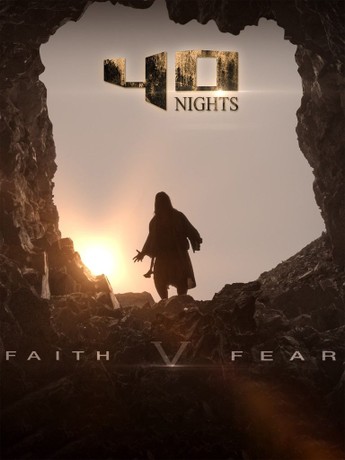
“40 Nights” was filmed in various Yuma-area locations, including the Imperial Sand Dunes, the Colorado River, and the Yuma Territorial Prison. Two further installments of the “Quest Trilogy” were also filmed in Yuma: “Chasing the Star” (2017) and “The Christ Slayer” (2019). Several local residents were used as extras in these independent religious films. The cast included DJ Perry (shown below), Rance Howard—father of Ron Howard—and Dan Haggerty of “Grizzly Adams” fame.
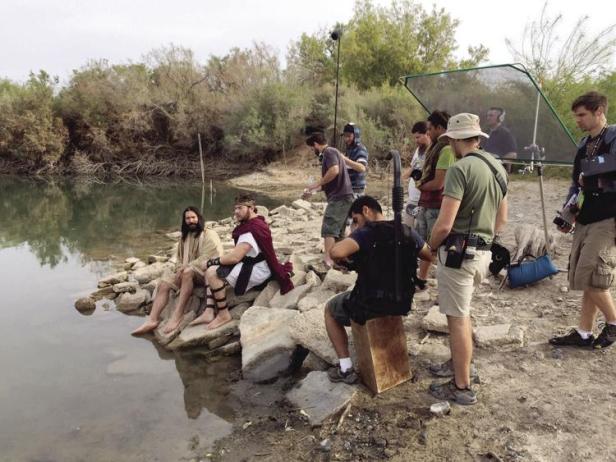
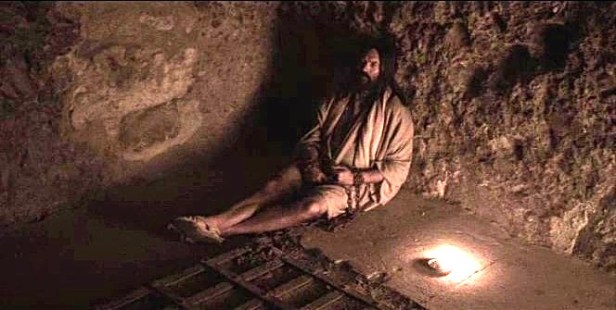
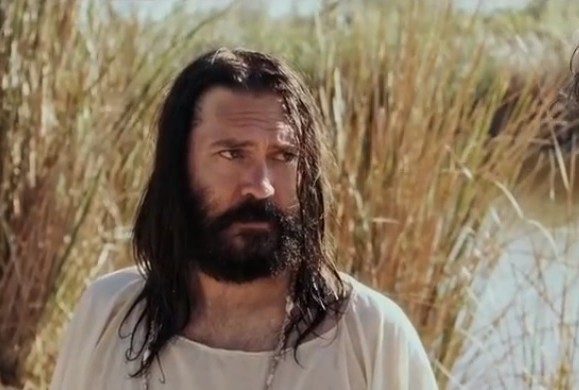
DJ Perry not only portrayed Jesus in “40 Nights”; he was also the film’s producer and writer. Perry explained his reasons for filming in Yuma: “I had seen several locations such as the Yuma Historic Prison with all the stone work that I knew would play for certain aspects of the script. Also, the Yuma area really was a beautiful location to represent the Holy Land.”
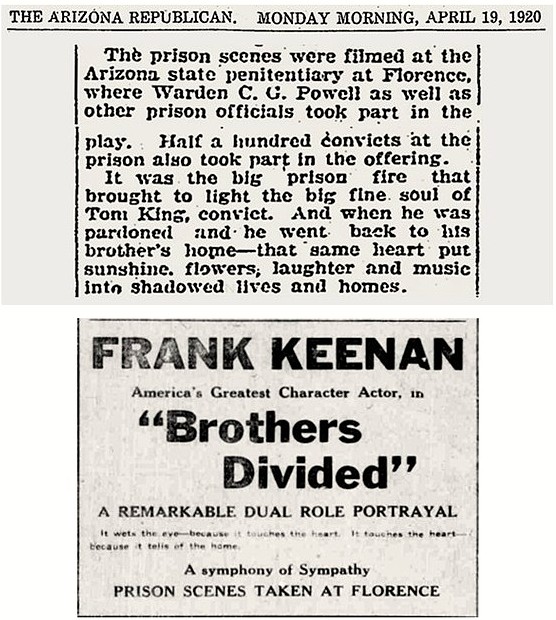
Filmed at the . . . Florence State Prison
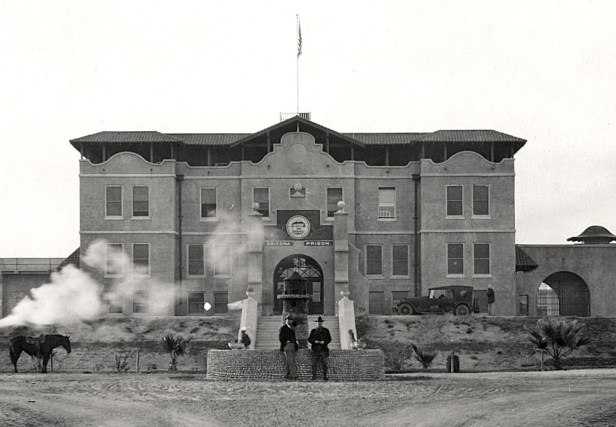
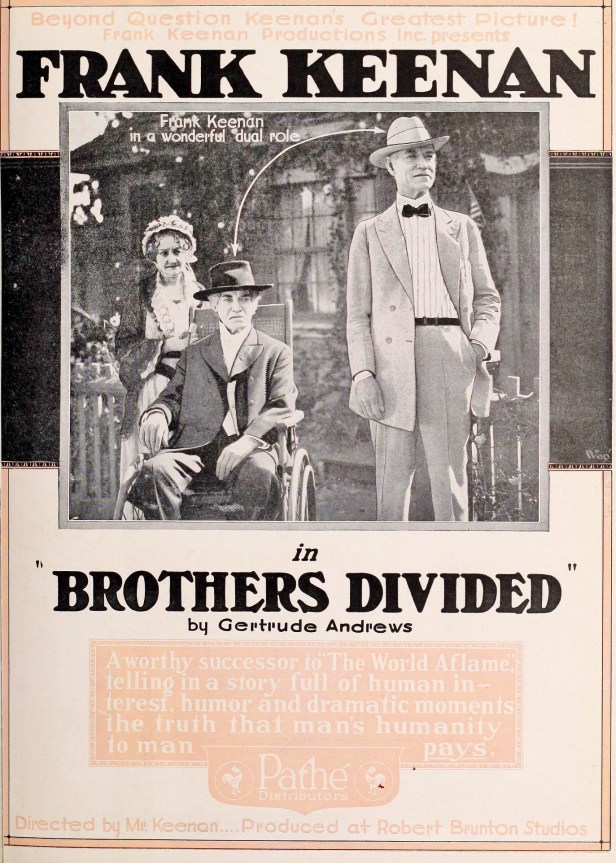
The Internet Movie Database (imdb.com) is an invaluable online source of information about motion pictures, but it is subject to errors due to its user-submitted content. For example, these two titles were filmed at the state prison in Florence, Arizona, but on IMDb the Yuma Territorial Prison is listed as the filming location.
Life in a Western Penitentiary (1914)
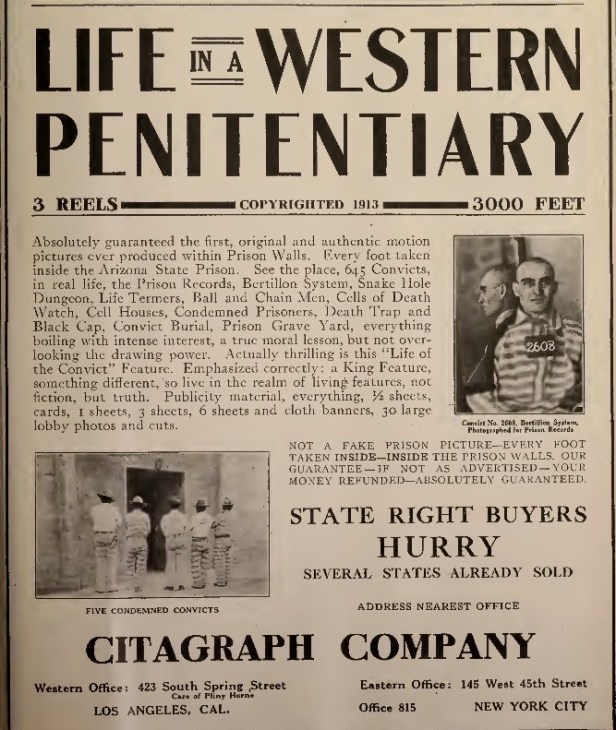
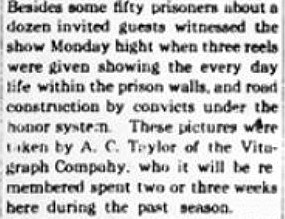
“Every foot taken inside the Arizona State Prison.”
Brothers Divided (1919)
Recommended Reading
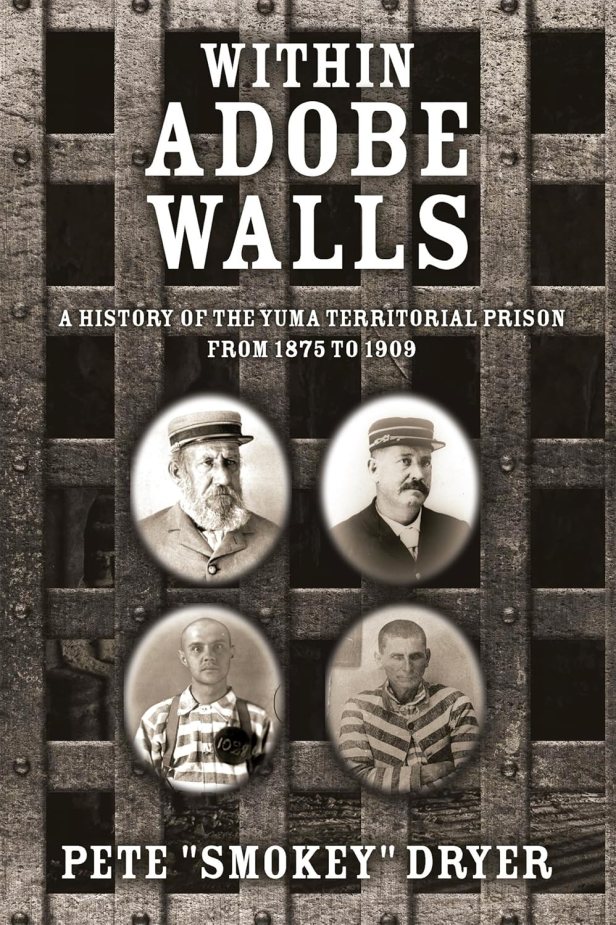
Much has been written about the Yuma Territorial Prison, but Within Adobe Walls by Pete “Smokey” Dryer (2024) is by far the most comprehensive account. It is a fairly lengthy history (400+ pages), compared with earlier anecdotal books about the prison, but the writing is clear, straightforward, and very informative!
 Yuma History Guy