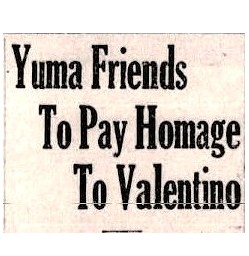
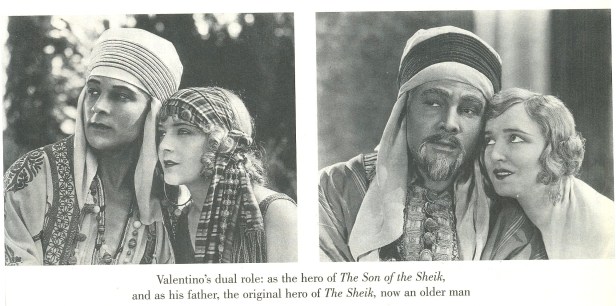
Silent film star Rudolph Valentino died at the age of 31 on August 23, 1926. Just four months earlier Valentino had been in Yuma filming the desert scenes for “The Son of the Sheik,” the highly anticipated sequel to 1921’s “The Sheik.” Since Valentino’s eventful life and career ended at such a young age, it is natural to wonder what he would have accomplished if he had been blessed with a long, full life. We will never know the answer, since Valentino the man never reached the mature age of the “father” he portrayed in “The Son of the Sheik”:
Valentino’s rise to stardom
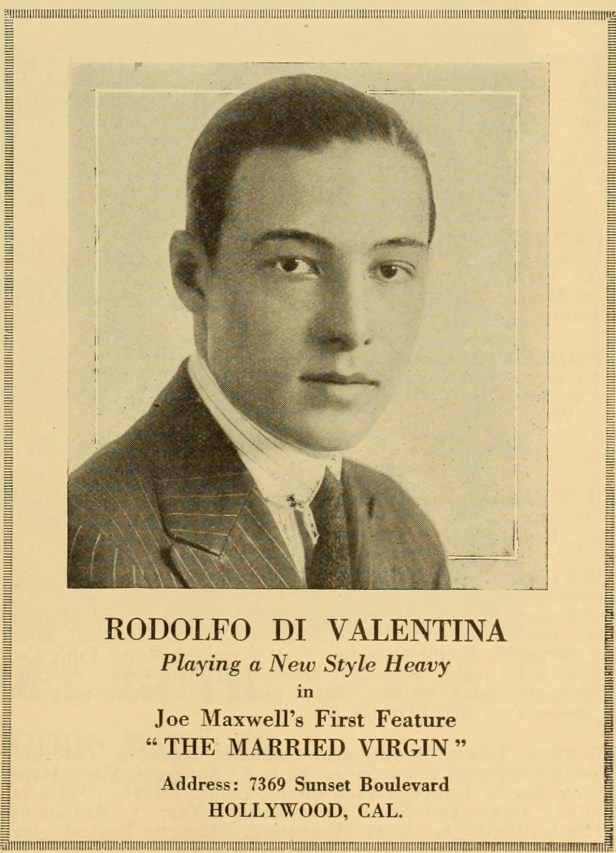
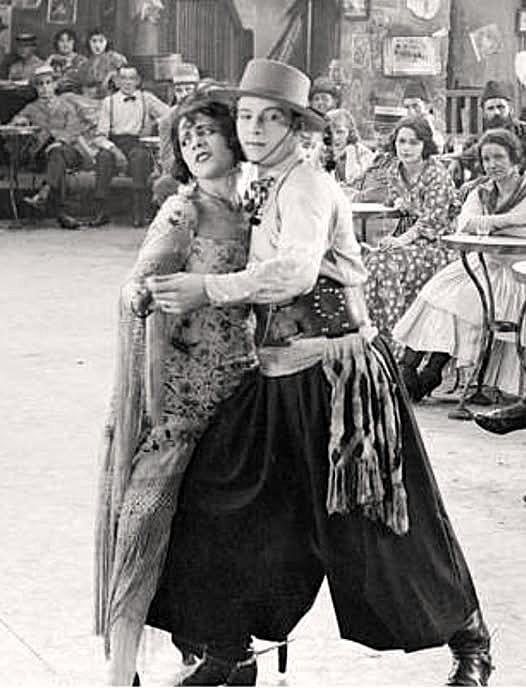
Rudolph (Rodolfo) Valentino was born in Castellaneta, Italy on May 6, 1895. It was Valentino’s dance background which eventually brought him to Hollywood. His first roles—typically playing villains—were small, but he gave a breakout performance in “The Four Horsemen of the Apocalypse” (1921) which highlighted his graceful tango dancing. As a teenager Valentino had traveled to France, the homeland of his mother, to learn to dance the tango. And when he came to the United States at the age of 18, Valentino found himself working on the East Coast as a “taxi dancer”—i.e. a dancer for hire. When he later made it to the West Coast, Valentino spent time as a performing “exhibition dancer” with a regular partner.
Valentino in Yuma—April 1926
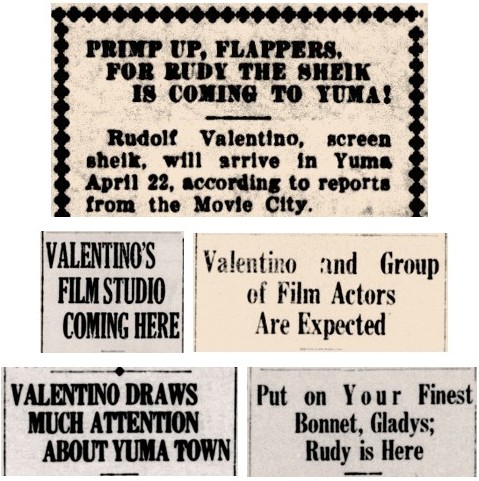
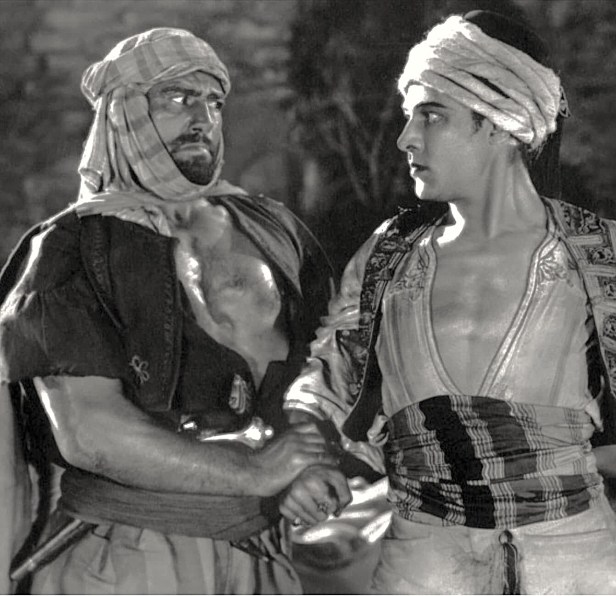
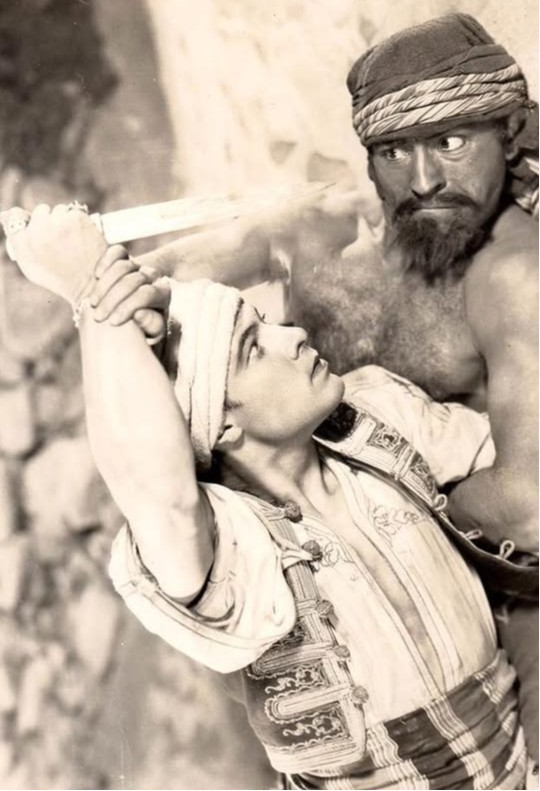
The cast and crew of “The Son of the Sheik” were only in the Yuma area for a week. Most of that time was spent at the Imperial Sand Dunes where a film camp was established. The Yuma newspaper noted that Valentino had accommodations at the Arizona Hotel, and that he, and presumably the director, utilized the Lyric Theatre to view daily rough footage taken at the sand dunes. The paper mentioned that Valentino and co-star Bull Montana (pictured above) “attract considerable attention wherever they go.” Like Valentino, Bull Montana was born in Italy. Montana (née Lewis Montagna) was an actor and a wrestler—who outweighed Rudolph Valentino by 100 pounds.
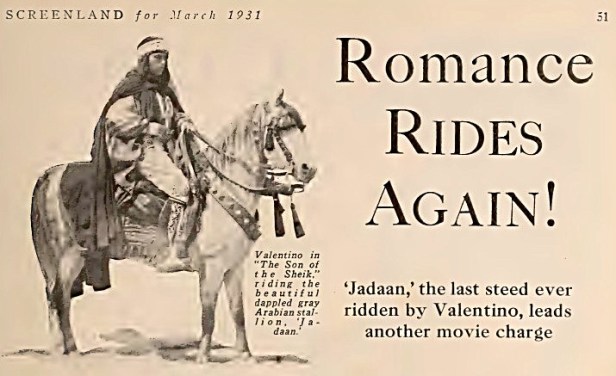
Jadaan, “Valentino’s Horse”
Jadaan, the Arabian horse ridden by Rudolph Valentino in “The Son of the Sheik,” was actually the property of W.K. Kellogg, the breakfast cereal magnate who in 1925 established a ranch in Pomona, California. When Valentino encountered Jadaan, the actor was so impressed that he personally arranged to borrow the horse for his latest film. A formal agreement was struck which included insurance and a fixed loan period of 10 days. Kellogg insisted that his trusted assistant Carl Raswan perform any riding stunts that could be potentially dangerous to Jadaan. Valentino returned Jadaan five days late, which reportedly infuriated W.K. Kellogg, but the Kellogg ranch reaped invaluable publicity from Jadaan’s appearance in the film. Many visitors to the ranch’s expositions came for the express purpose of seeing “Valentino’s horse.”
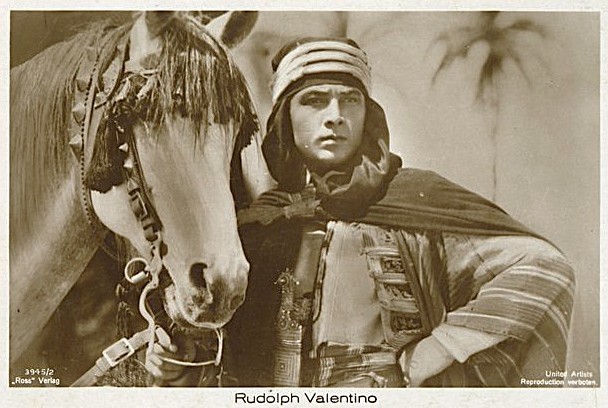
Rudolph Valentino was a horse lover and an accomplished rider. His Falcon Lair estate in Los Angeles featured a stable which housed four Arabian horses. Valentino’s love of animals was likely formed in his childhood in Italy as a veterinarian’s son. Sadly, Rodolfo was only 10 years old when his father died.
As seen below, Jadaan became a star in his own right, making several additional screen appearances, including four more movies that were filmed on location in the Imperial Sand Dunes: “The Desert Song” (1929), “Beau Ideal” (1931), “Under Two Flags” (1936″, and “The Garden of Allah” (1936)” Jadaan died in 1945 at the age of 29.
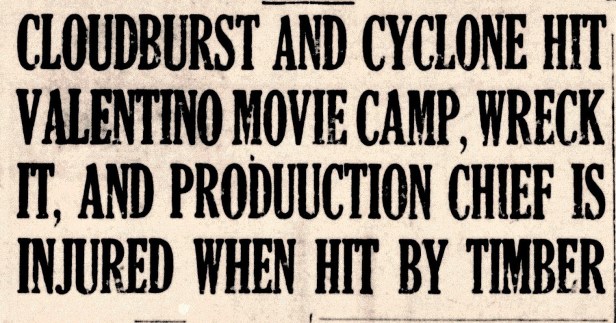
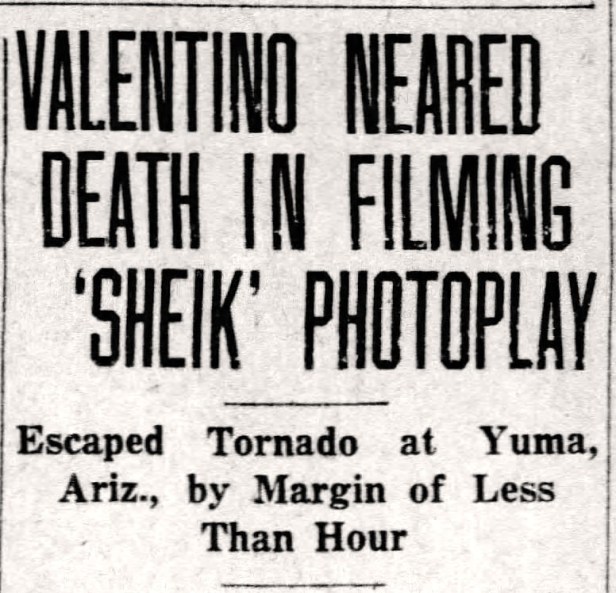
The above headlines are misleading. The storm was a violent one, but when it struck, the twenty-five crew members who remained on location were in the process of dismantling the set. The filming at the Imperial Sand Dunes had concluded the previous day, and most of the film personnel, including Valentino, had already returned to Los Angeles. Additional filming would take place near Santa Maria, California and on the United Artists film lot in Hollywood.
Drinking Buddies
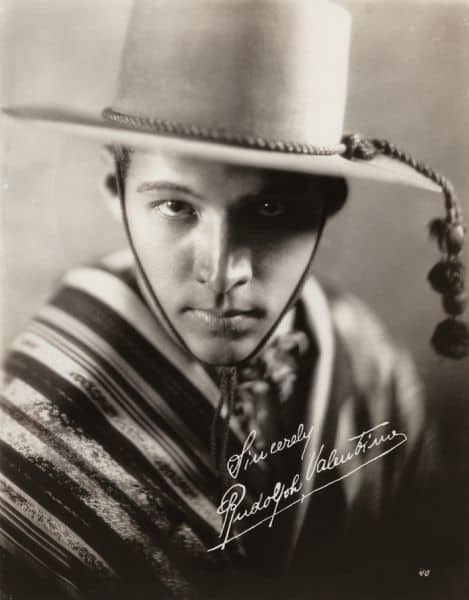
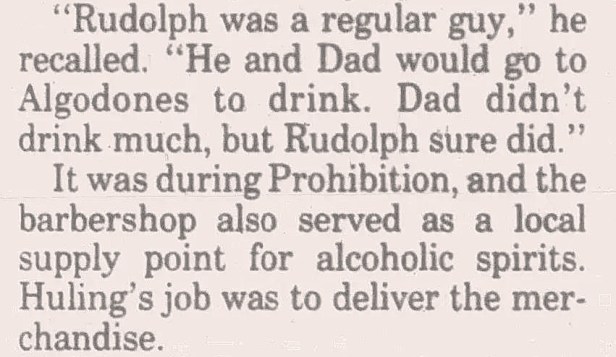
During the Prohibition era (1920-1933) several motion pictures, including “The Son of the Sheik,” were filmed in the Yuma area. These were “dry” years for the United States, but Yuma’s Hollywood visitors (like millions of Americans) continued to consume (illegal) alcohol. The above recollections of longtime Yuma barber Cecil Huling refer to the friendship of Rudolph Valentino and Cecil’s father Mike. Cecil Huling, who was sixteen years old when Valentino came to Yuma, operated the Shamrock Barbershop with his dad for nearly 50 years.
“The Son of the Sheik”: The Story
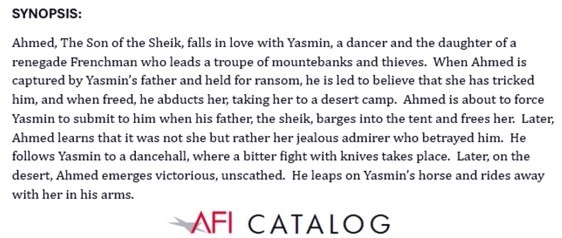
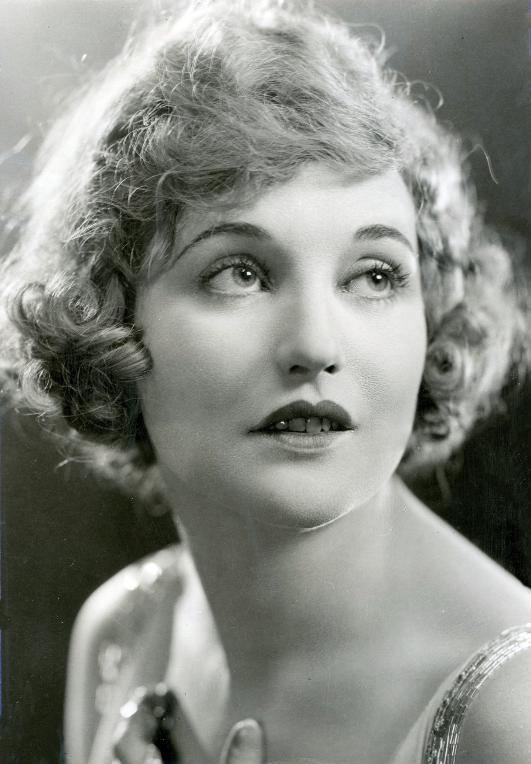
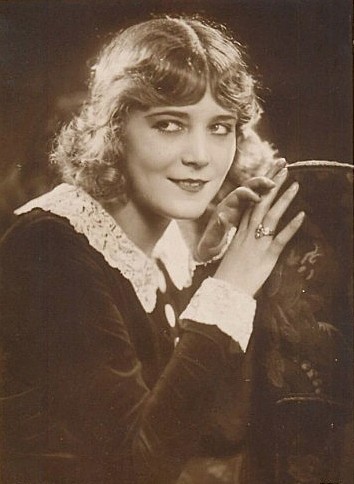
Since Rudolph Valentino played dual father-son roles in “The Son of the Sheik,” the film boasted two leading ladies. Agnes Ayres reprised her role from “The Sheik” (1921), playing the mother of the young sheik. Hungarian actress Vilma Banky was cast as the dancer, Yasmin, described in the above synopsis. A year earlier Banky had starred with Valentino in “The Eagle.”
The Death of Rudolph Valentino—August 23, 1926
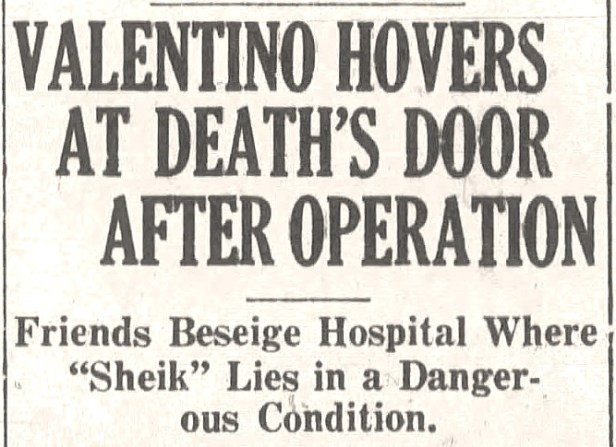
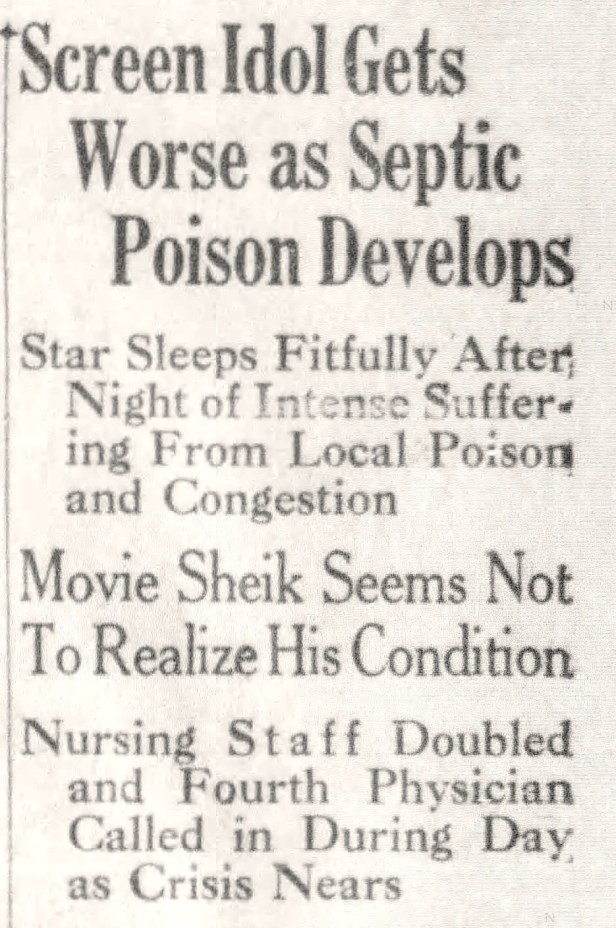
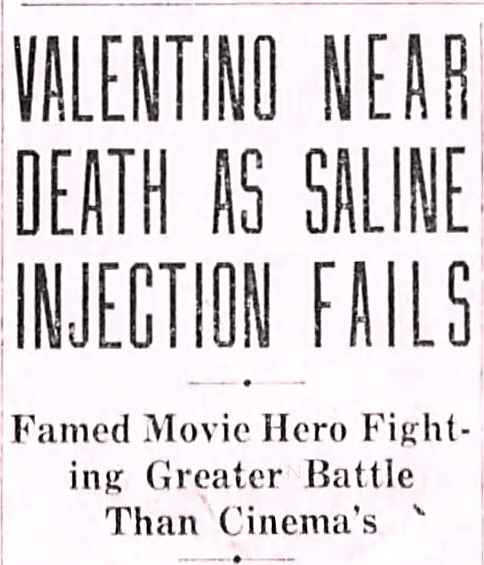
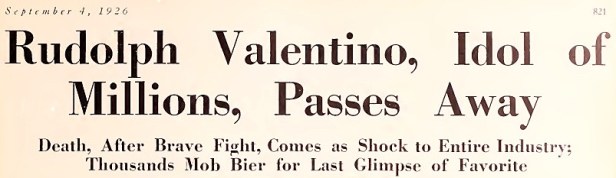
Rudolph Valentino’s death was a milestone event of the silent movie era which drew an unprecedented level of sensational press coverage. While in New York City for the premiere of “The Son of the Sheik,” Valentino was stricken with what was believed to be appendicitis. Surgery was performed to remove the appendix and repair a perforated ulcer. The actor’s eight-day hospitalization touched off a national death watch which was played out in the daily newspapers. Tragically, Rudolph Valentino developed a severe case of peritonitis which proved to be fatal. Following a funeral service in New York, a funeral train carrying Valentino’s body journeyed back to Hollywood for the burial and a second funeral.
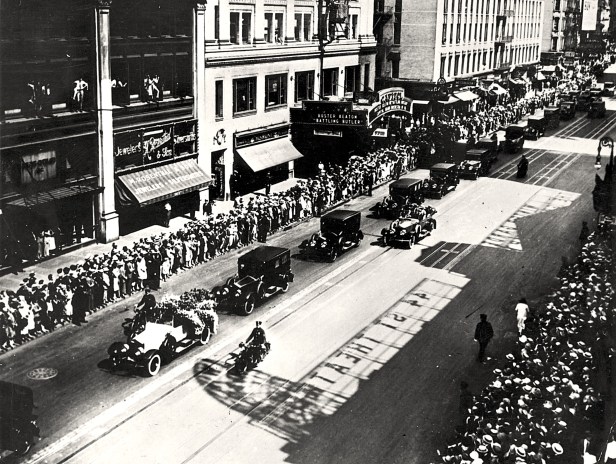
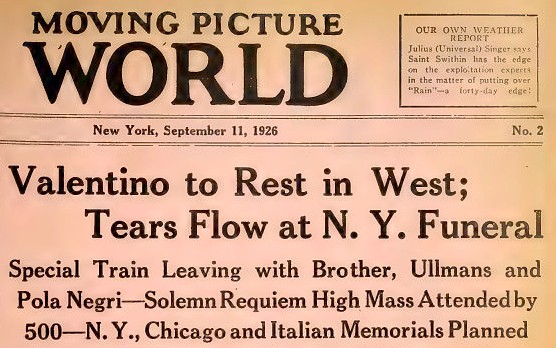
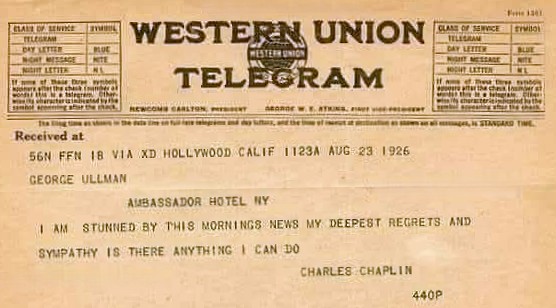
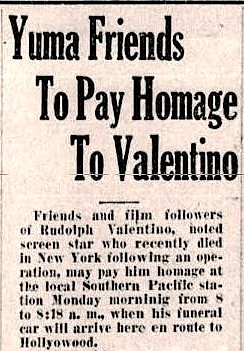
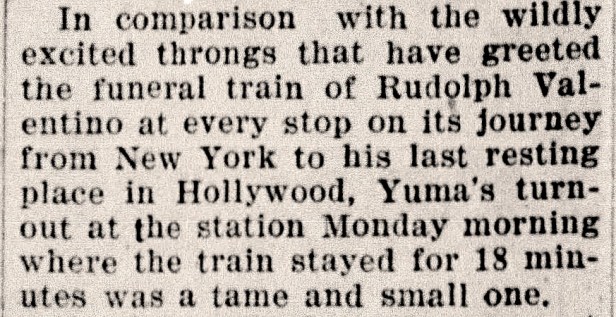
The Yuma newspaper estimated that a small crowd of 200 locals waited at the Southern Pacific station to meet Rudolph Valentino’s funeral train as it made an 18-minute stop in Yuma.
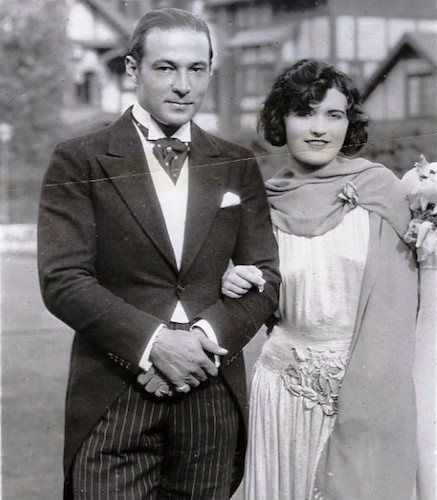
During his life and following his death, Rudolph Valentino’s personal life was the subject of much speculation. His first marriage, to Jean Acker, was brief, but by marrying second wife Natacha Rambova before his divorce became final, Valentino found himself charged with bigamy. Rudolph and Natacha were legally married on March 14, 1923. Natacha Rambova was a Hollywood fashion designer who took an active role in managing her husband’s career and image. Her critics, and eventually Valentino himself, felt she took a too active role by steering him into unsuccessful films that created an “effeminate” image of Valentino that the actor rebelled against.
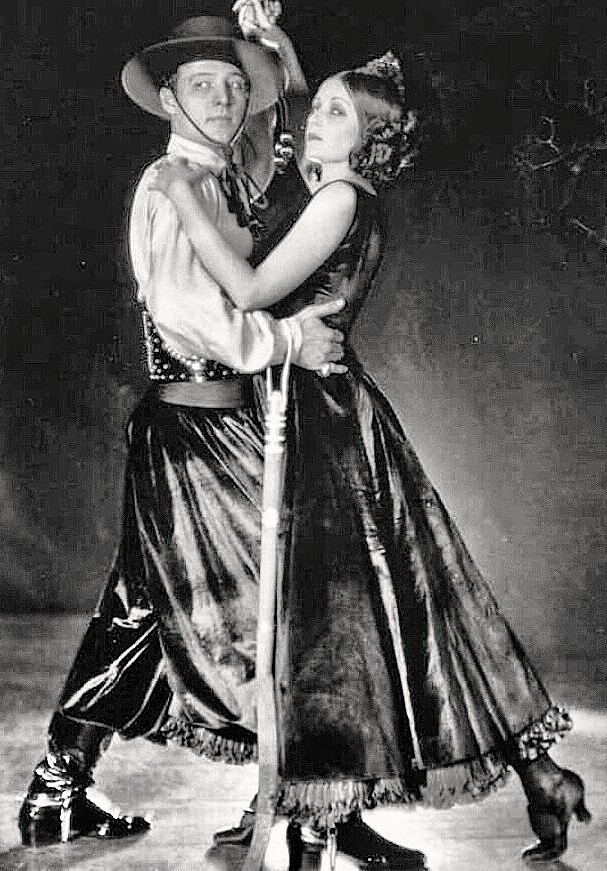
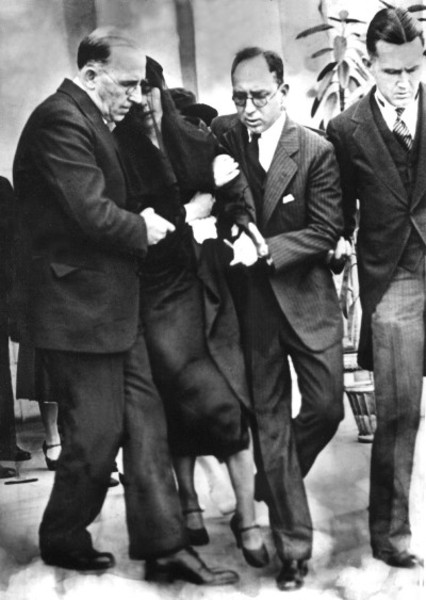
Following his divorce from Natacha Rambova in January 1926 Rudolph Valentino’s frequent companion was Polish actress Pola Negri. Negri was with Valentino in New York when he died, and she accompanied the funeral train to Hollywood. Her public displays of grief at both funerals drew criticism, and some doubted her claim that she and Valentino had made plans to be married.
Box Office Records
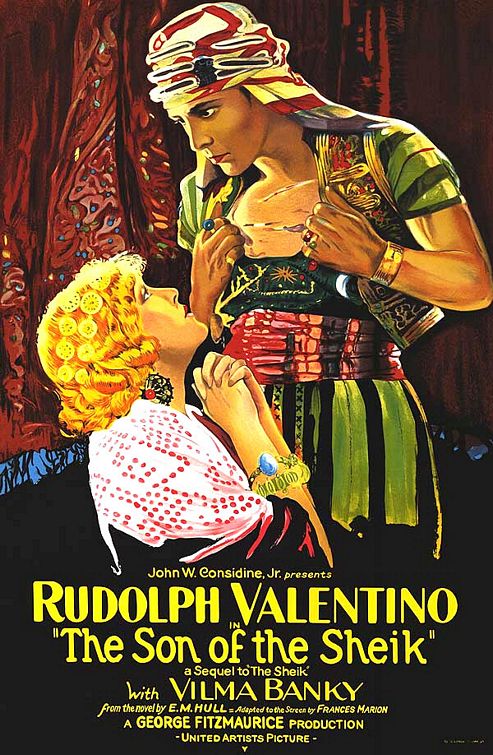
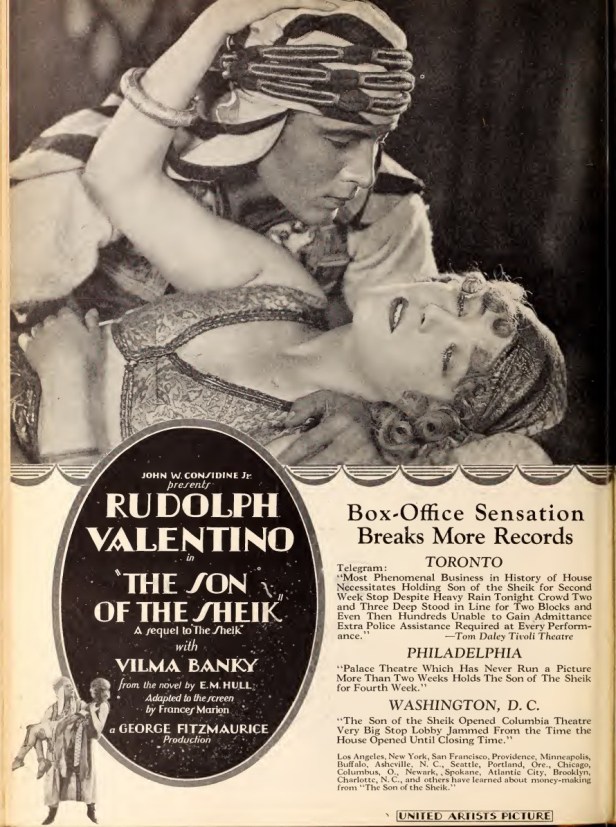
“The Son of the Sheik” was released nationally on September 5, 1926, following premieres in Los Angeles and New York which had been personally attended by Rudolph Valentino. When Valentino died on August 23, United Artists studio executives considered delaying the film’s release, but as the above ad indicates, “The Son of the Sheik” was released as scheduled, shortly after the tragic death of the leading man. Box office records were achieved, and theaters throughout the U.S. faced a demand, not only for Rudolph Valentino’s final performance, but for his earlier films as well. “The Son of the Sheik” opened at Yuma’s Lyric Theatre on October 12, 1926. (Without exception, in all of its articles and ads, the Yuma newspaper incorrectly listed the film’s title as “The Son of a Sheik.”)
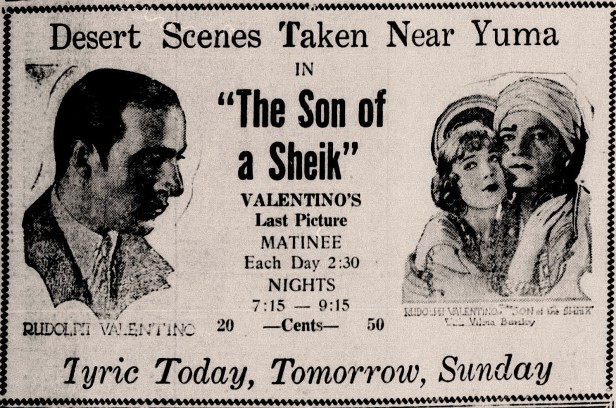
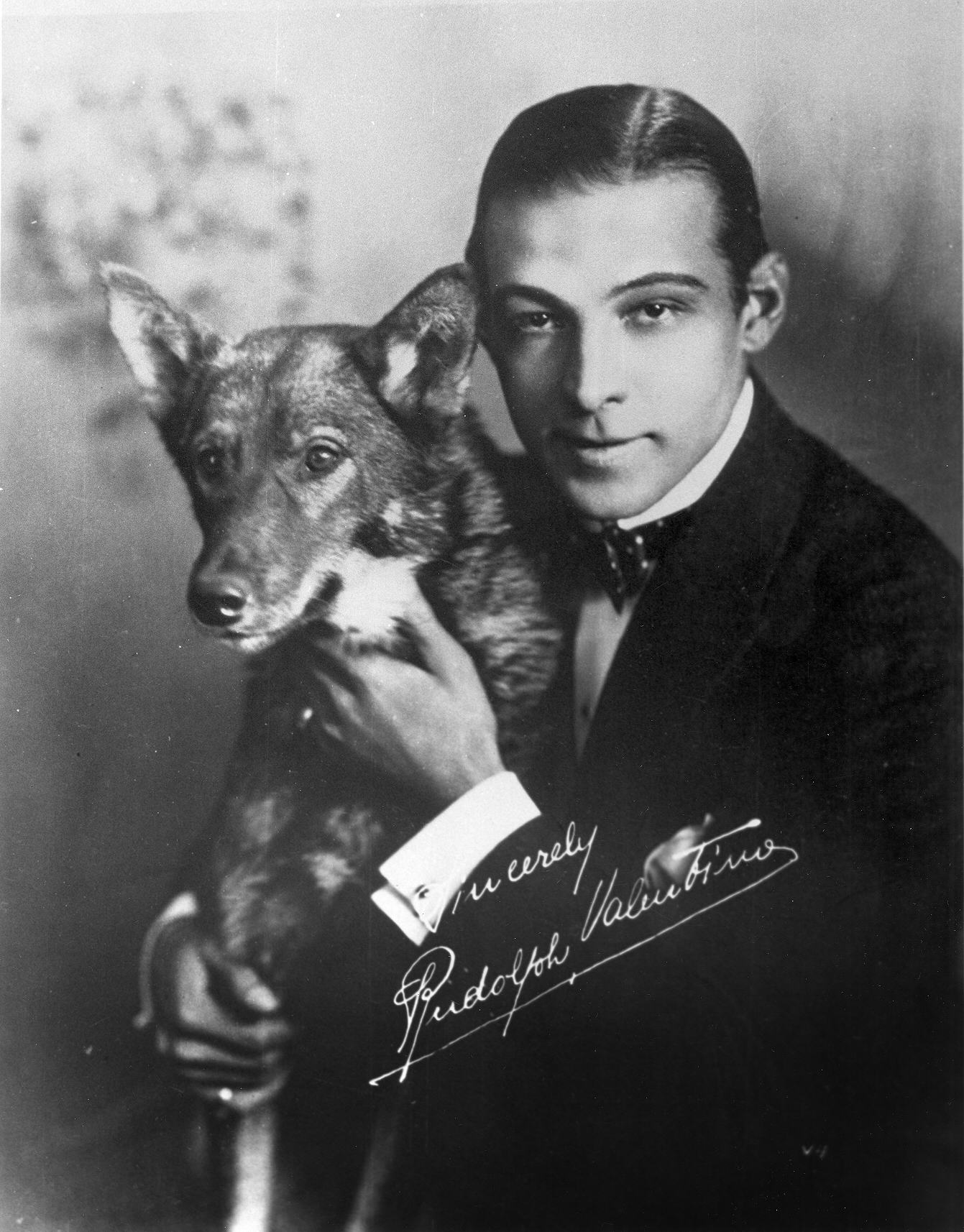
When Rudolph Valentino died on August 23, 1926, he was deeply in debt due to his lavish lifestyle and sporadic film career. He had a history of battling with film studios over salary and creative issues, and he frequently expressed his displeasure with the “Latin Lover” and “Sheik” images which had brought him fame. According to Pola Negri, she and Valentino were about to be married, but others were not convinced of that assertion. We can only speculate as to how Valentino’s life and career would have unfolded had he not died at 31. One of the most intriguing questions: How would Rudolph Valentino have fared in Hollywood’s impending transition from silent films to “talkies”?
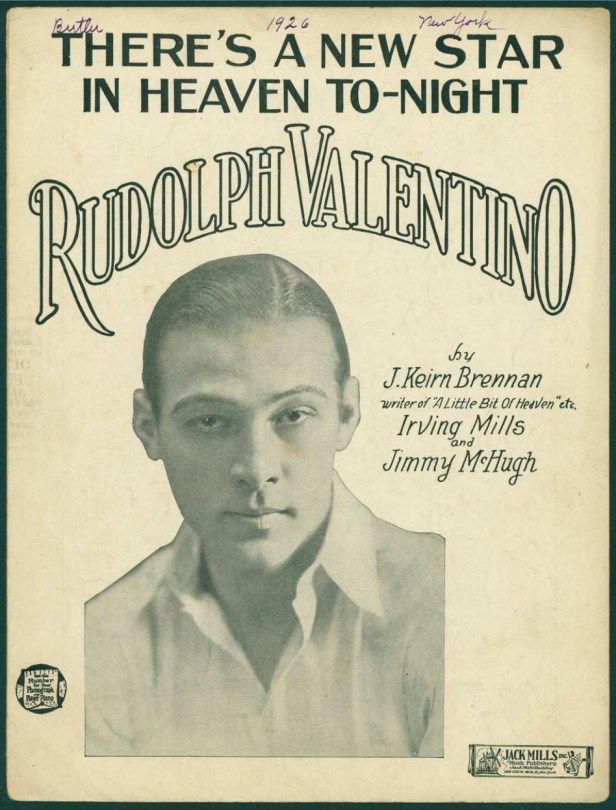
Sheet music for a tribute song published shortly after Rudolph Valentino’s death:
“With a smile that has made the world bright, Valentino, goodbye! But way up in the sky, there’s a new star in Heaven tonight.”
 Yuma History Guy