The announcement of Yuma’s first minor league baseball franchise was joyous news to the town’s many baseball fans. Yuma had a long tradition of local ballclubs and city leagues, including an acclaimed semi-pro team in the 1930s, the Yuma Cubs. After World War II, fastpitch softball became a popular spectator sport in Yuma, attracting crowds of nearly 3,000 at Yuma High School’s Doan Field. But a dedicated core group of boosters felt that Yuma was ready to support its own minor league baseball team.
My version of the Yuma Panthers story will highlight only a fraction of the team’s players and games. The roster turnover was constant—89 players and 5 managers over three years—and the Panthers never achieved a winning record. Yet somehow the team was faithfully and generously supported by Yuma and its baseball fans.

“Why shouldn’t they [the Yuma County Fairgrounds Association] want to sell! The thing is a white elephant.“—J.B. Bailey, Yuma City Council member
Yuma’s baseball enthusiasts had long desired to have a local minor league team, but in 1947 the discussions began to include concrete plans and proposals. The Class C Sunset League began play in 1947, and Yuma was seen as a possible league member in the event of future vacancies. That is exactly what happened when Reno dropped out at the end of the 1949 season, and Yuma placed a successful bid for a franchise.
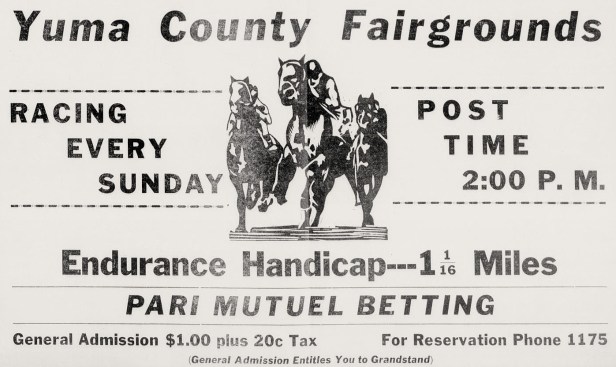
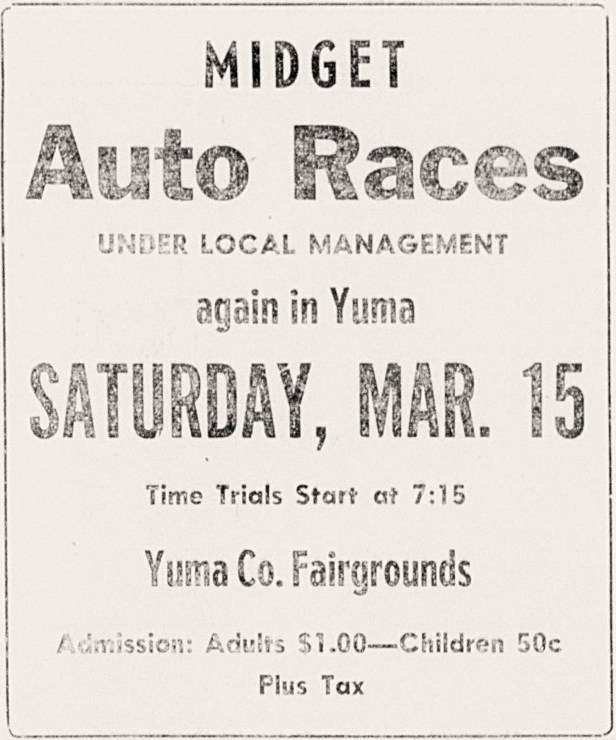
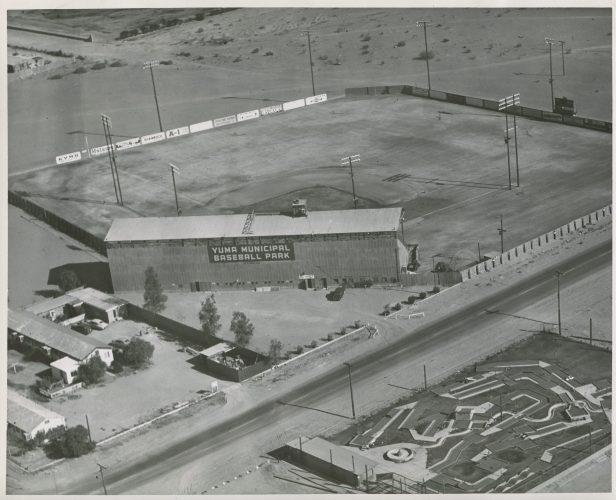
To attract a minor league team or to serve as a spring training site for a Major League club, Yuma needed to build a ballpark that met professional baseball specifications. The County Fairgrounds—particularly the racetrack that had been built in 1946—was seen as an ideal location for a baseball facility. The above “white elephant” comment from Councilman Bailey refers to a series of racing events which had lost money for the Fairgrounds Association. The purchase of the Fairgrounds did not happen immediately, however. At the outset of their first season the Panthers were leasing their facility from the Yuma County Fairgrounds Association. When the City of Yuma finally purchased the fairgrounds in June 1950, the financial burden of maintaining the ballpark was also assumed by the city.
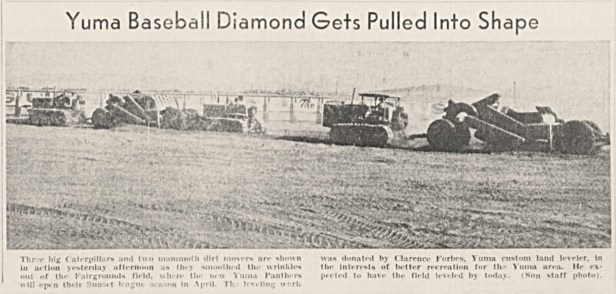
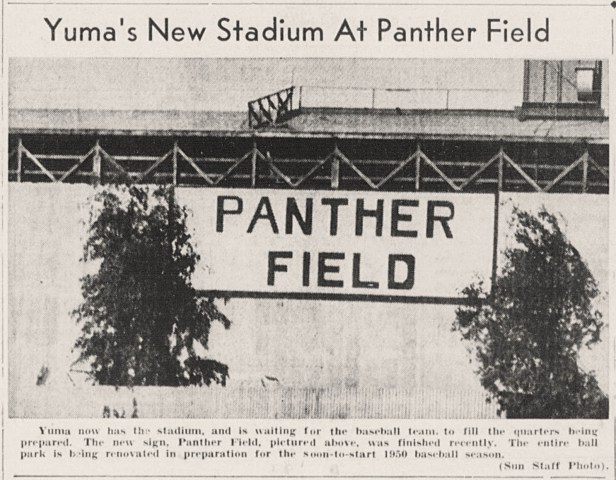
Once Yuma was granted a Sunset League franchise, the race was on to get the new baseball complex completed in time for the opening of training camp on April 10. Many local businesses and individual volunteers donated materials, labor and expertise to the effort. For example, the leveling work pictured above was donated by “custom land leveler” Clarence Forbes.
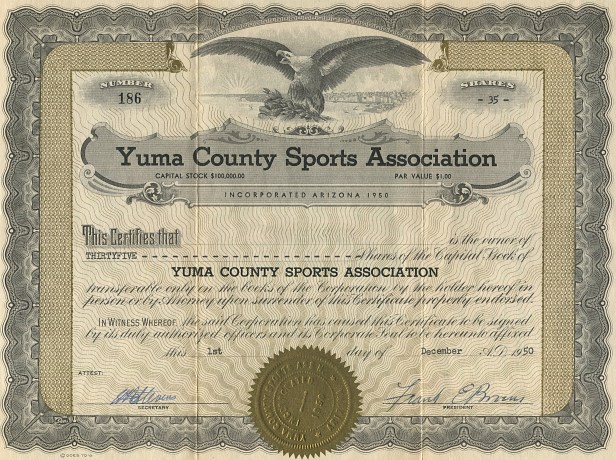
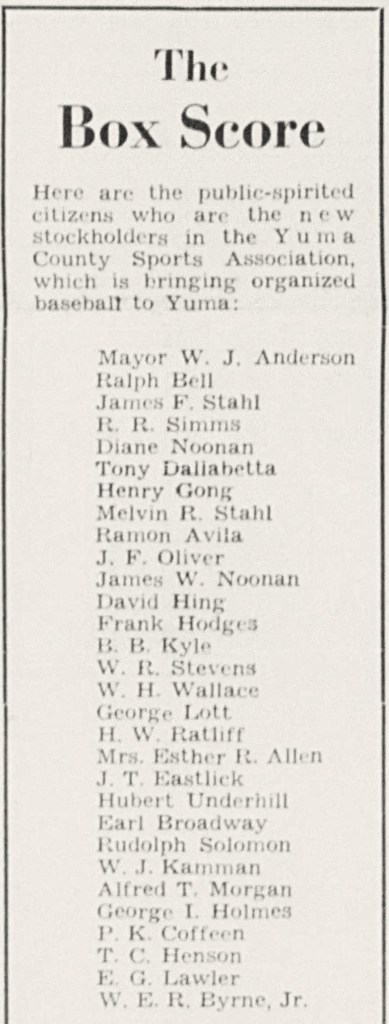
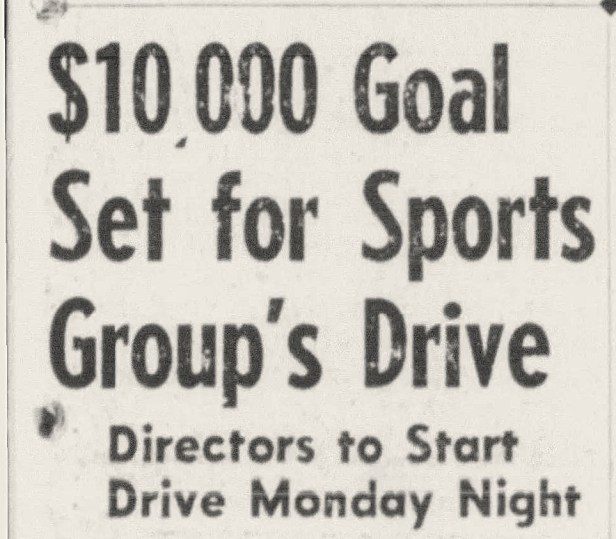
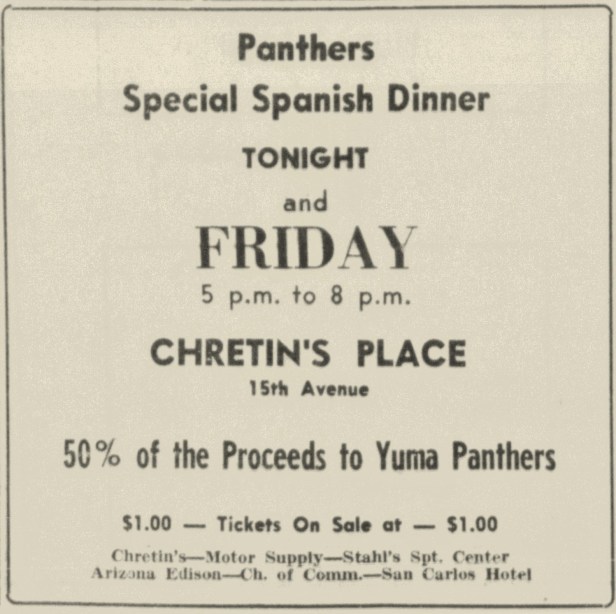
Fundraising drives and events such as these were an ongoing component of the Panthers’ operations:
Season One (1950)
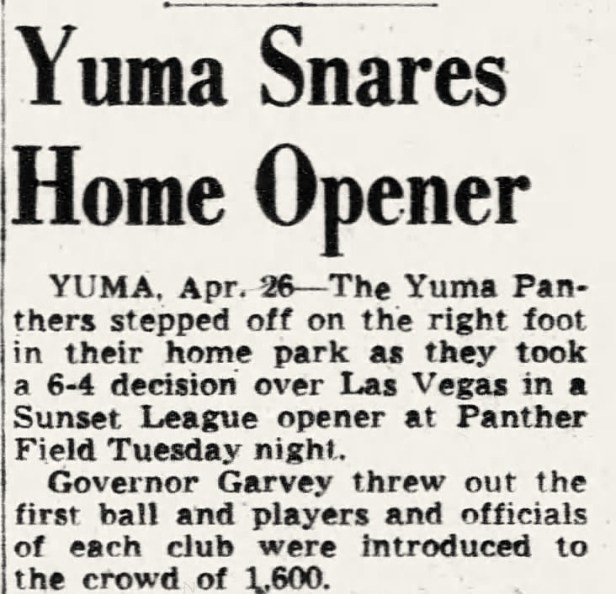
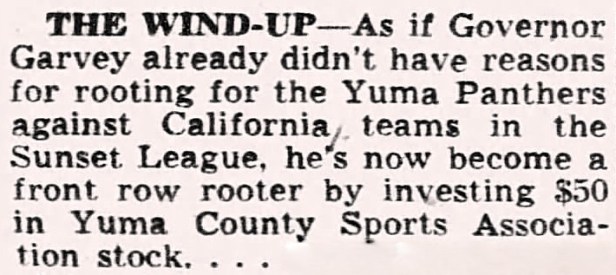
On April 21, 1950 the Yuma Panthers opened their inaugural season on the road with an 11-7 victory over the Porterville Packers. Yuma proceeded to lose the next three games to Porterville, but the Panthers won their home opener 6-4 over Las Vegas on April 26. The impressive crowd of 1,600 also witnessed Arizona Governor Dan Garvey throw out the ceremonial first pitch.
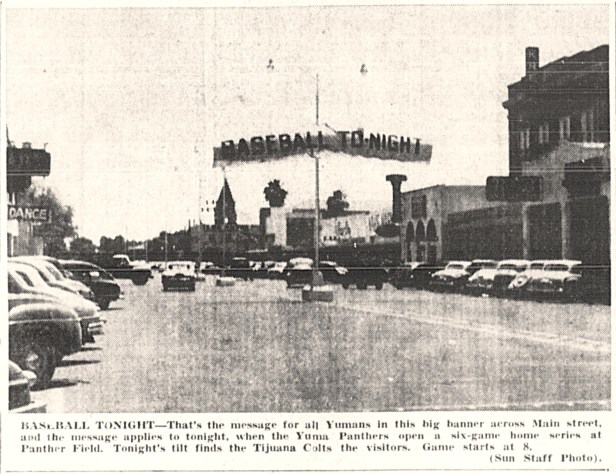
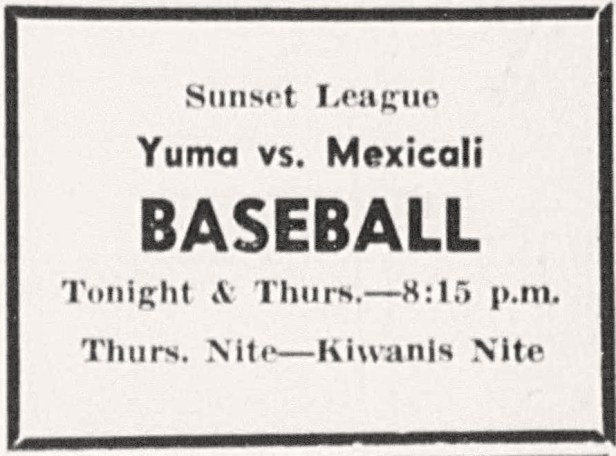
The above photo shows a “Baseball Tonight” banner displayed over Main Street promoting the 8 p.m. game with Tijuana. As the ad on the right indicates, most Panther games began at 8:15—a concession to Yuma’s summer heat.
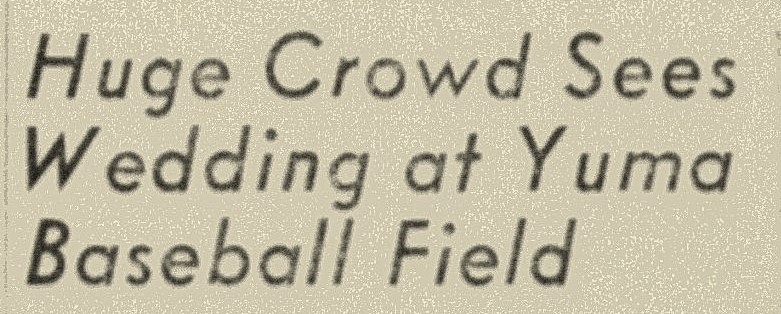
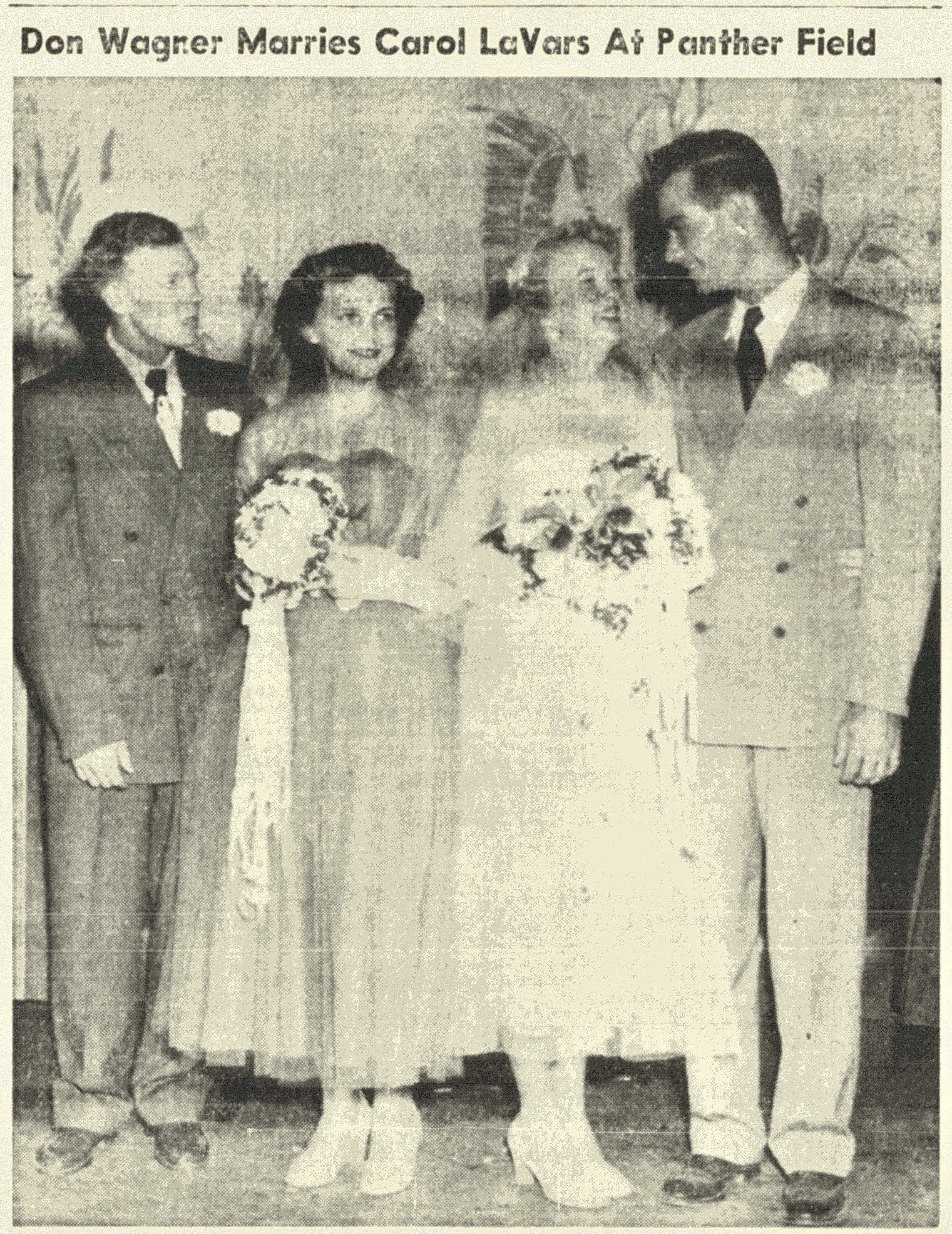
On August 12, 1950, prior to the Panthers – San Bernardino game, outfielder Don Wagner and Carol LaVars were married at home plate by Justice of the Peace, R.H. Lutes.
The wedding couple is pictured on the far right. Panther catcher Jep Holmes was best man, while the bride’s sister, Jean, was maid of honor.
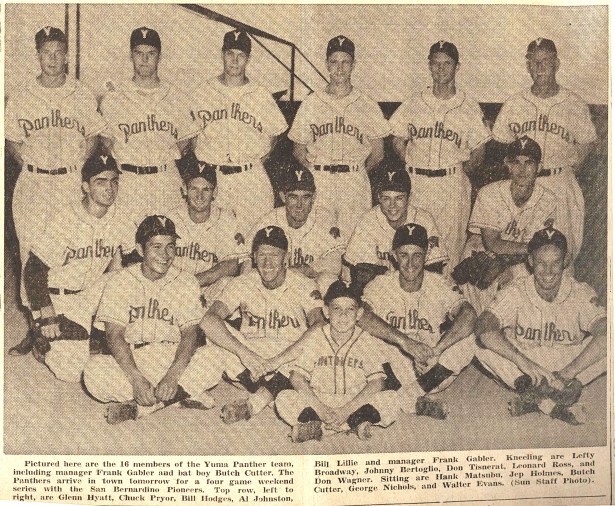
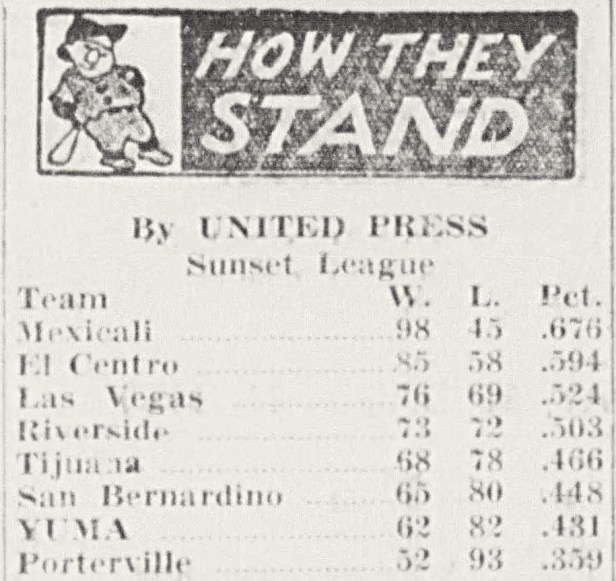
The Yuma Panthers finished in 7th place in the final 1950 Sunset League standings. When the above team photo was taken, Frank Gabler had recently replaced Butch Moran as Panther manager, and several of the original Panthers had also been replaced. Faithful batboy Butch Cutter, Jr. served the team for all three seasons.
Local baseball (and softball) heroes signed by the Panthers
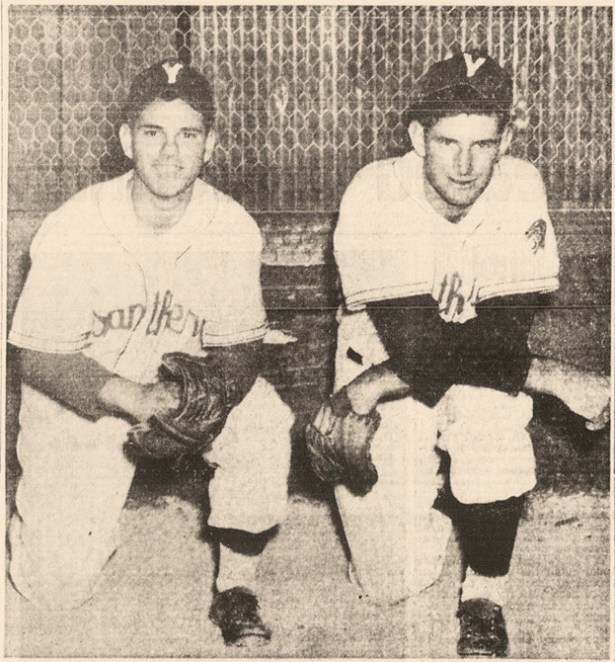

Three former Yuma High School stars played for the 1950 Panthers. Bill Doten and Davey Lott had also achieved recognition as members of the Somerton Roundup softball team which had placed 2nd at the 1949 national tournament in Greeley, Colorado. But Doten and Lott had brief tenures with the Panthers. August 1950 brought life-changing events for both men: Bill Doten enlisted in the U.S. Navy, while Davey Lott married Jody Pool and settled into a life of farming.
Thomas Eldred Broadway, at age 18, was the youngest Panther, but he had already been signed by the New York Giants organization. Broadway was a lefthanded pitcher who went 9-9 with the 1950 Panthers. He played the next two seasons with the Muskogee Giants, but arm injuries halted his baseball career. Thomas Broadway later resided in Oregon with his wife of 58 years, Charlene Barcelo Broadway.
Panther Profile: Walt Evans, pitcher (1950, 1951, 1952)
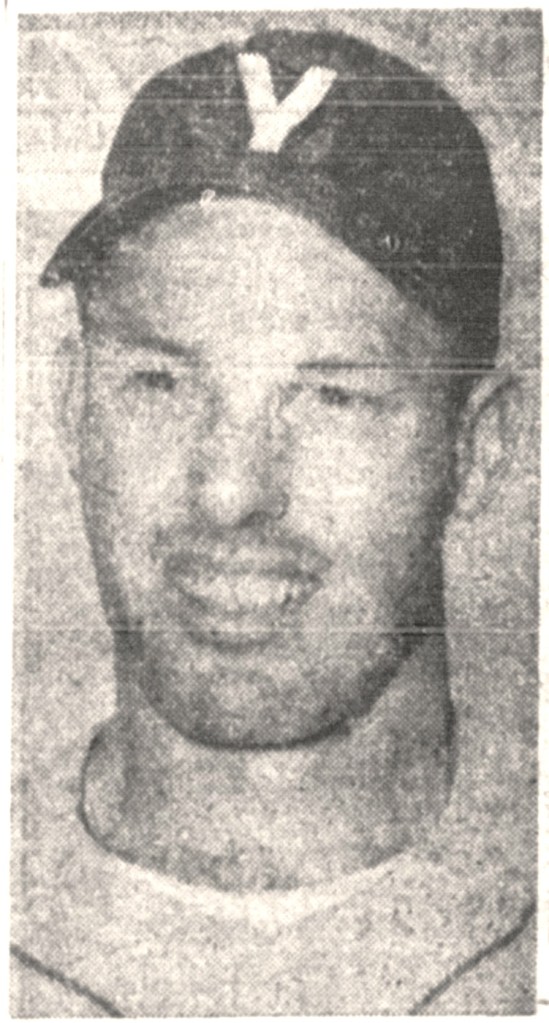
If any member of the Yuma Panthers deserves the title, “Mr. Panther,” it is Walt Evans. Evans was the only Panther who was on the team’s roster for all three seasons. Walt was a starting pitcher who threw a no-hitter against Porterville during the 1952 season. Evans’ win-loss records: 10-12 (1950), 15-16 (1951), and 14-6 (1952). These marks are quite impressive when compared to the team’s poor overall winning percentages.
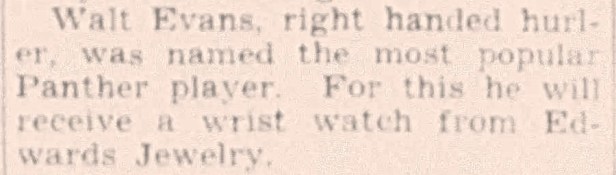
In a 1995 interview Walt Evans noted that “the town really liked the Panthers. We drew better than any town in the league.” In reality, the Panthers were 2nd in league attendance in 1950 and 1952, while ranking 8th in 1951. But Walt Evans’ positive, if inaccurate, memories reflect his appreciation of the loyal Yuma fans who supported the team and its “most popular” player.
Walt Evans’ baseball career got off to an impressive start when he was signed by the Birmingham Barons in 1944 as a 17-year-old. His career was interrupted by service in the U.S. Army from 1945-1947. When he arrived in Yuma in 1950 Evans was married with a growing family. Walt and wife Jeanie remained Yuma residents after Walt left professional baseball. He worked many jobs, including butcher, mailman, restaurant manager, and insurance salesman, before eventually settling into a long career at Yuma Proving Ground. When Walt retired, he relocated to Hesperia, California, where he died in 2009 at the age of 80.
In August 1968 Michael Evans, the eldest of Walt and Jeanie’s children and a Kofa High graduate, was seriously wounded in battle as an Army paratrooper in Vietnam. Among the commendations he received for his bravery were a Purple Heart and a Bronze Star.
Panther Profile: Frank Gabler, manager (1950)
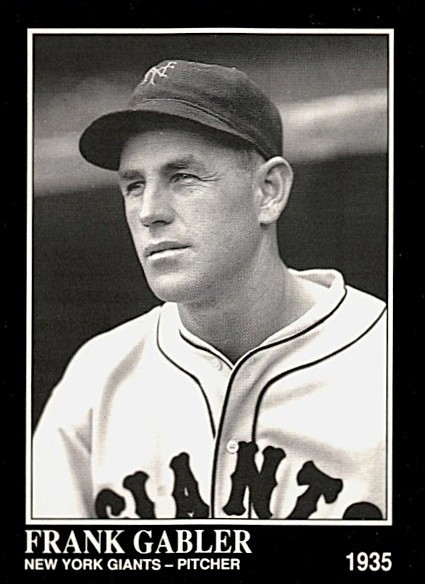
On July 28, 1950 Frank Gabler replaced the Panthers’ original manager, Butch Moran, who was released from his contract “at his own request.” Gabler was a former Major League relief pitcher (1935-1938), but he was 38 years old when he joined the Panthers. As a player-manager in 1950, Gabler pitched 51 innings over 13 games—a “mop-up” relief role similar to the one he had with the New York Giants years earlier. Gabler played for Las Vegas in 1951 and managed El Centro’s team in 1952. After his playing and managing days ended, Frank Gabler worked several years as a major league scout.
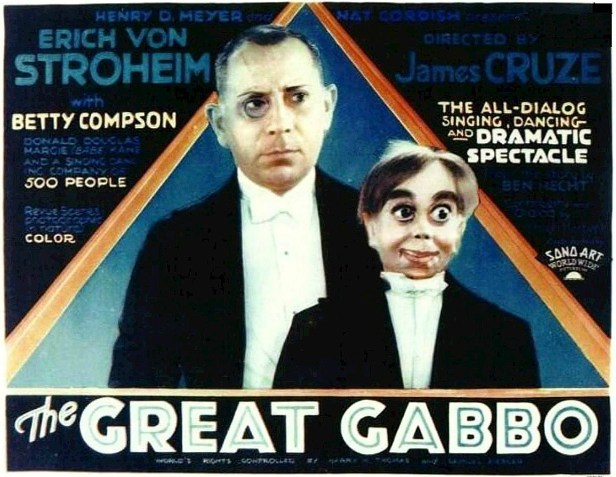
Frank Gabler’s nickname, “The Great Gabbo,” was taken from a bizarre 1929 film of that name. It was a perfect fit for Gabler’s gregarious personality.
Panther Profile: Bill Lillie, shortstop (1950)
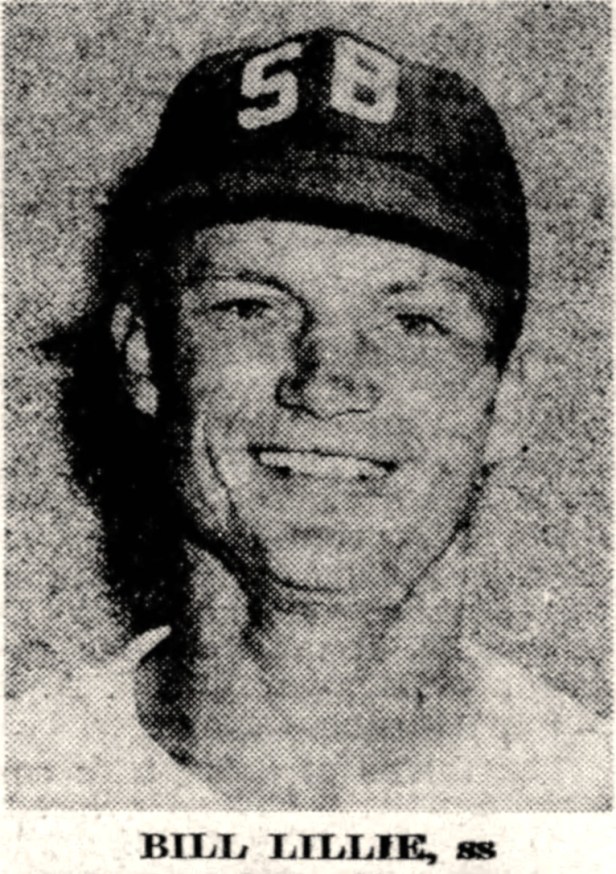
Shortstop Bill Lillie led the 1950 team with 15 home runs. Lillie’s three-year minor league career began at the advanced age of 25, following his World War II service with the U.S. Navy and four years of studies at the University of Southern California. Bill Lillie was the third baseman on USC’s 1948 national championship baseball team. (The first baseman on the runner-up Yale team was future President George H.W. Bush.)
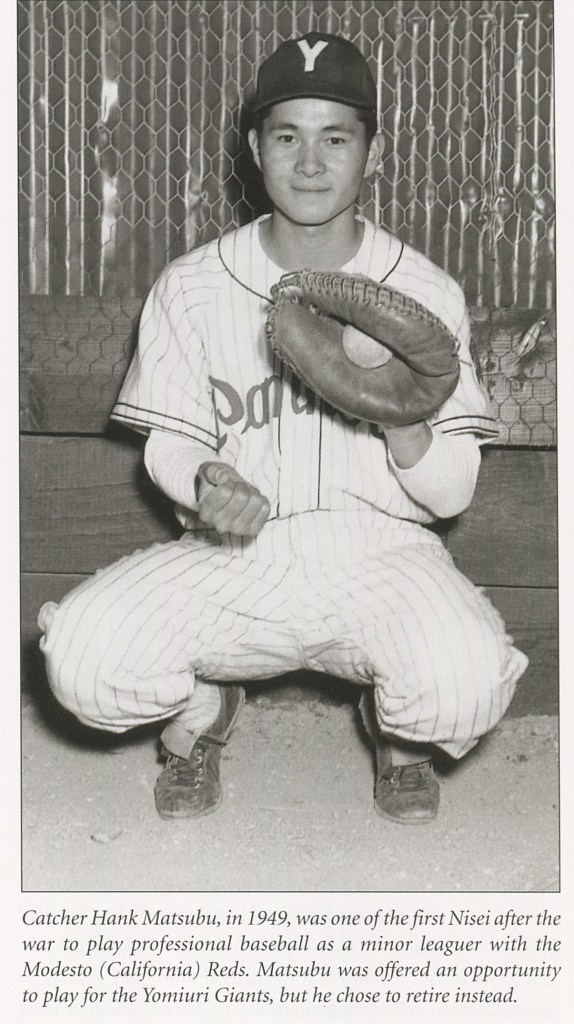
Panther Profile: Henry “Hank” Matsubu, catcher (1950)
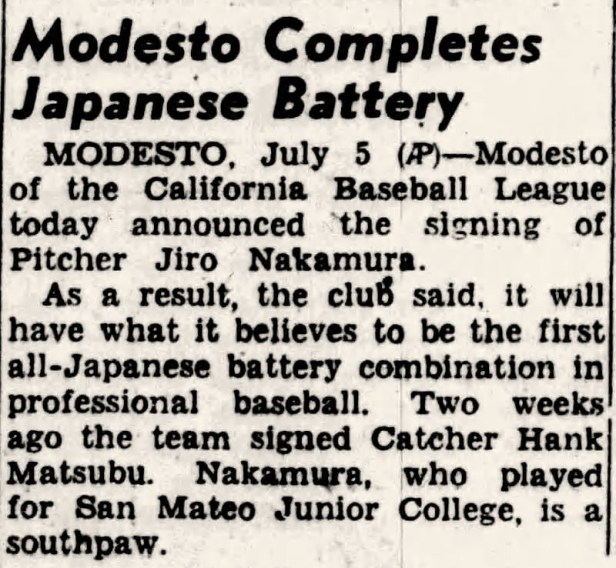
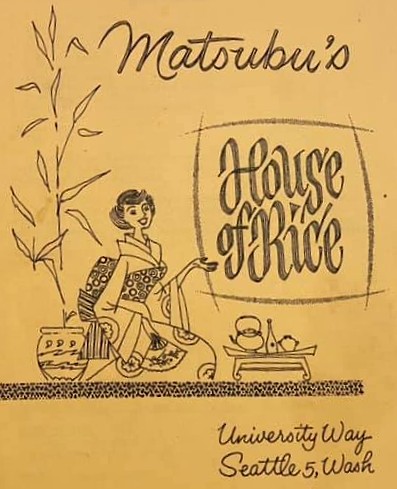
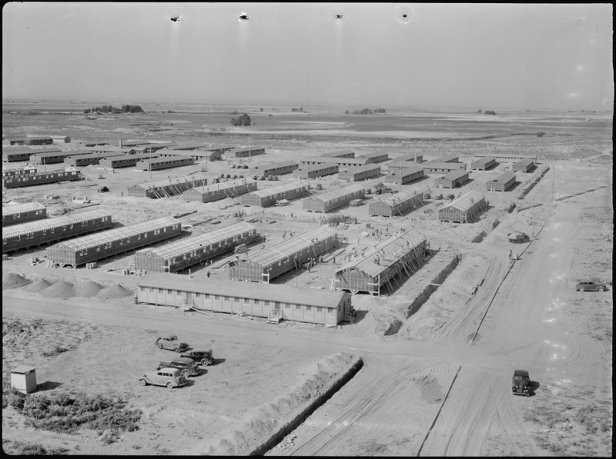
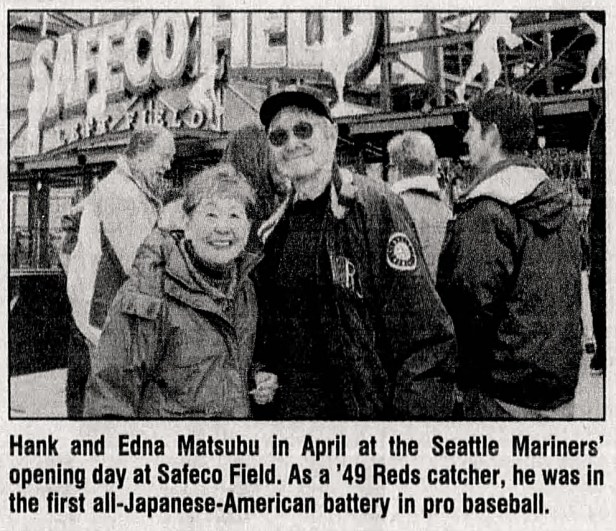
When Hank Matsubu joined the Yuma Panthers in 1951 at the age of 23, he had already experienced a lifetime’s worth of struggles and triumphs. As a result of the World War II internment of West Coast Japanese Americans, the Matsubu family of Corbett, Oregon was sent to the Minidoka Relocation Center in Idaho. Hank graduated from the camp’s high school and starred on the baseball team. He also met his future wife Edna at Minidoka. In 1946 Hank Matsubu enlisted in the U.S. Army, serving 19 months at Fort Lewis. Hank played for the Modesto Reds in 1949 and the Yuma Panthers in 1950—his only years of professional baseball. Hank and Edna married in 1952, and for several years they operated the House of Rice in Seattle, a popular grocery store which also featured a cooking school.
Panther Profile: Don Tisnerat, pitcher (1950)
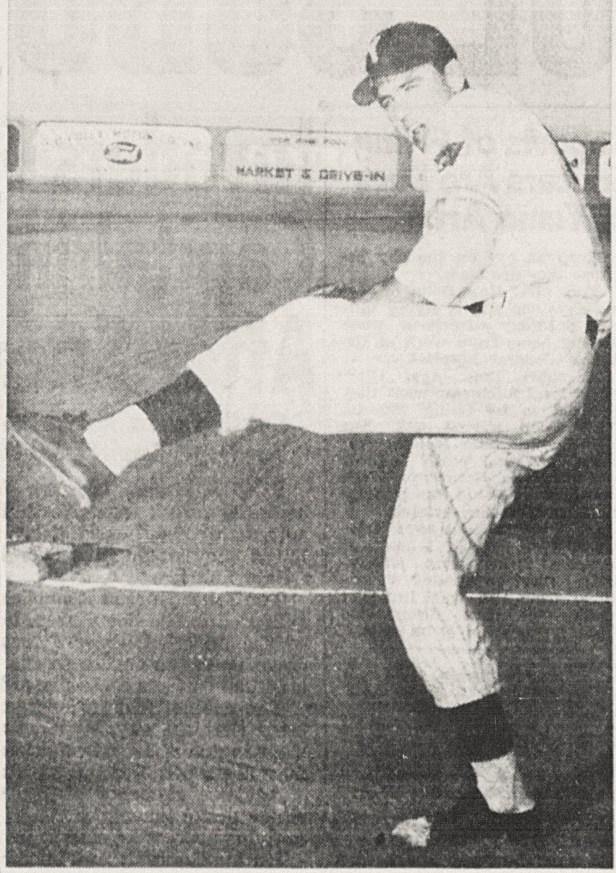
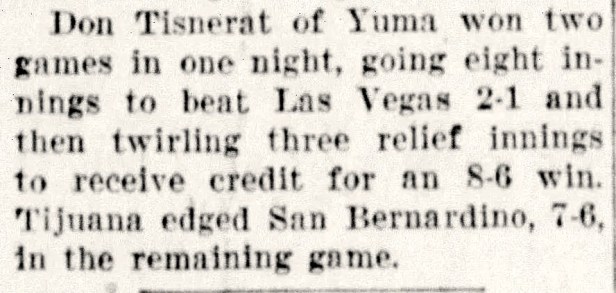
Don Tisnerat was entering his fourth year of professional baseball when he joined the 1950 Panthers. The 22-year-old was also a married World War II veteran. Tisnerat was the workhorse of the Panther pitching staff. He compiled an 18-18 record while pitching a remarkable 259 innings. Don even won both ends of a doubleheader over Las Vegas. Prior to the 1951 season the financially troubled Panthers sold Don Tisnerat, one of the team’s most valuable assets, to the Vancouver Capilanos.
Yuma’s 1st spring training team—the original San Diego Padres
Prior to the Panthers’ 1951 season, Panther Field was the spring training site of the San Diego Padres of the Pacific Coast League. The team was in Yuma from March 1-15, contributing revenue to the Yuma County Sports Association, as well as the local economy generally. The minor league Padres did not return in 1952 as hoped, but in 1969 the new San Diego Padres expansion franchise of the National League began its 25-year (1969-1993) spring training residence in Yuma.


Season Two (1951)
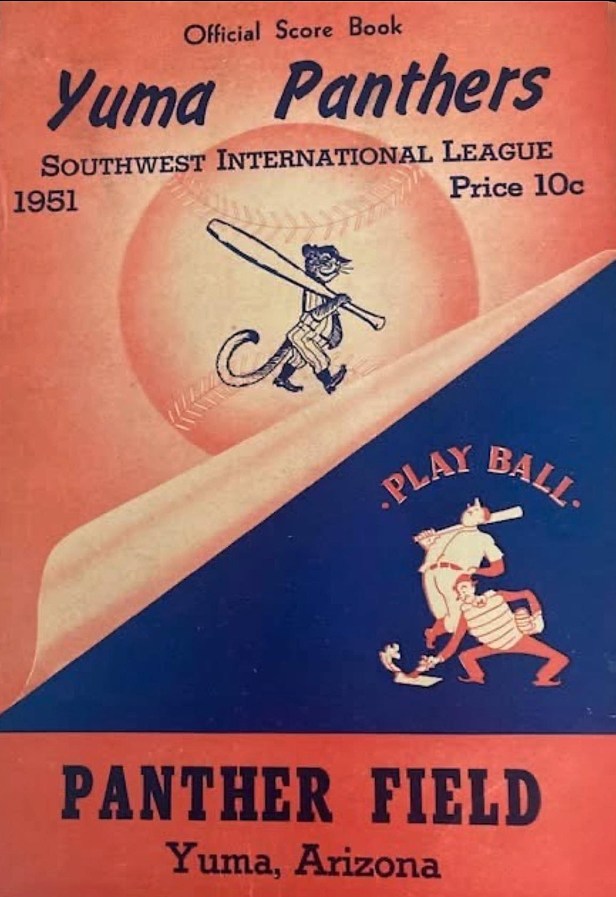
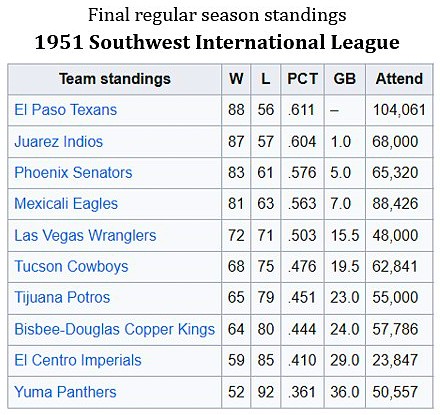
The Panthers’ second season found the team in a new league, the Southwest International League (SWI) comprised of teams from the previous year’s Sunset League and Arizona-Texas League. The Panthers finished in last place with a 52-92 record. Yuma was 8th in attendance, surpassing only Las Vegas and El Centro. On June 8, 1951 Ray Viers was replaced as manager by Don Jameson. Due to the small roster size of the SWI teams, managers were expected to be regular player-managers, but the 32-year-old Viers had not met that expectation. By contrast, Jameson led the Panthers with 93 RBIs and batted a robust .323 as an everyday outfielder, in addition to his managerial duties.
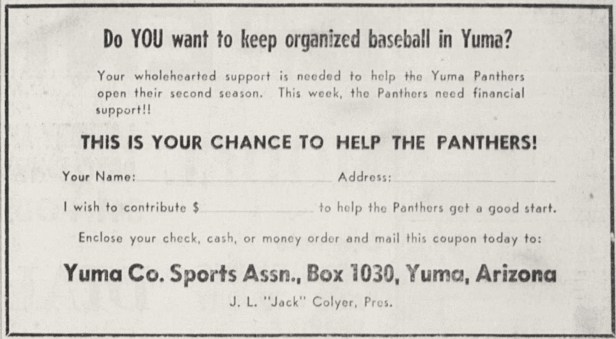
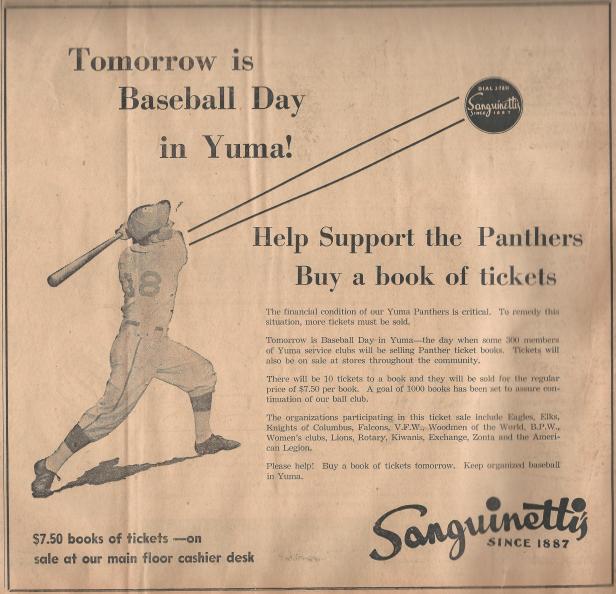
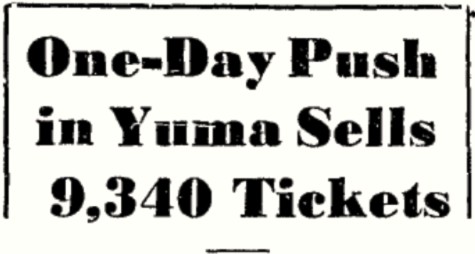
Even before the Panthers opened their 1951 season, Yuma fans were told that “the Panthers need financial support!!” And in May the team held a successful ticket sale drive.
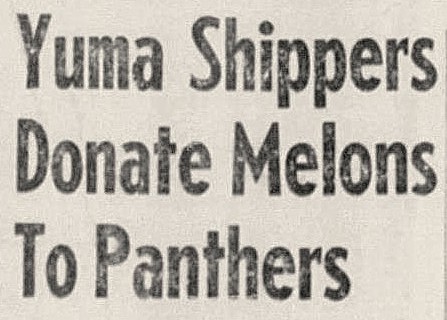
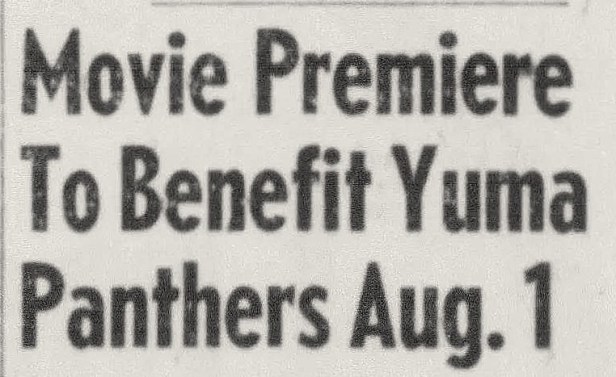
Yuma’s business and agricultural community stepped up repeatedly to assist the struggling ballclub.
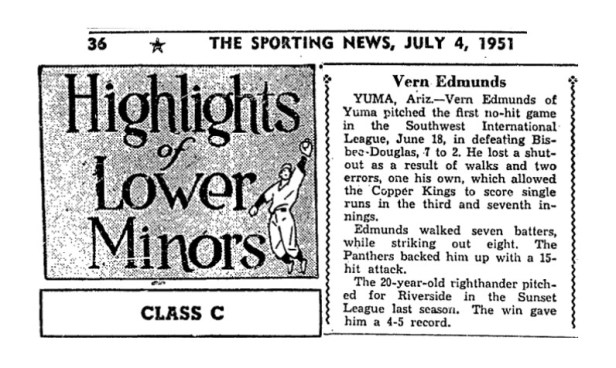
Vern Edmunds’ no-hitter on June 18 was a rare highlight of the 1951 season, particularly since it took place at Panther Field. Unfortunately, only 387 fans —the smallest crowd of the year—attended the game.

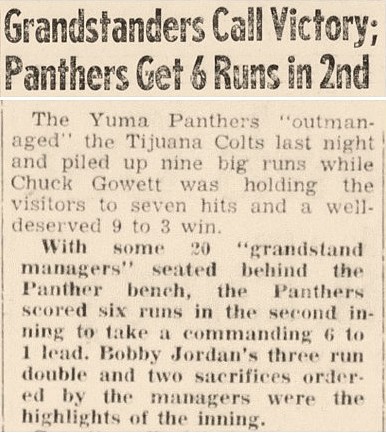
Twenty Panther fans were selected to be “grandstand managers” of the August 27 Yuma-Tijuana game. (The scheduled August 26 game had been a very rare Yuma rainout.) As the article on the left states, “The stunt was originated recently by the St. Louis Browns’ new owner, Bill Veeck.” Yuma’s grandstand managers made some unorthodox decisions, but they led the Panthers to a 9-3 victory.
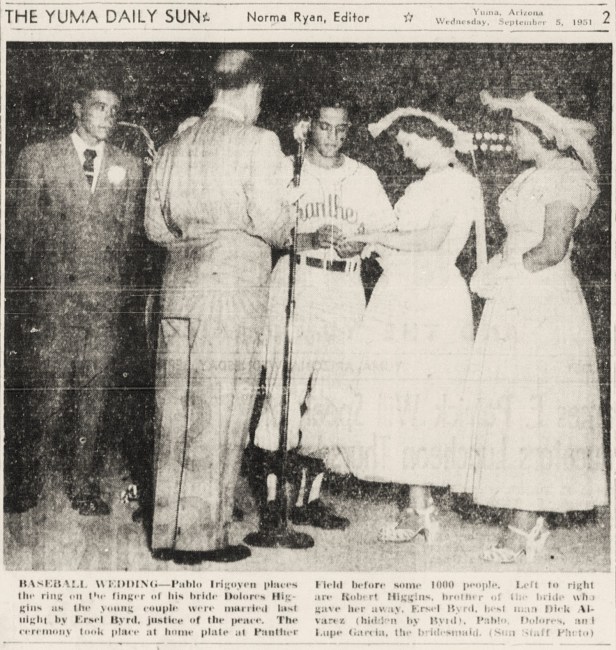
On September 4, 1951 the Panthers hosted another home plate wedding “before some 1000 people.” Pitcher Pablo Irigoyen married 18-year-old Dolores Higgins of Yuma. Justice of the Peace Ersel Byrd conducted the ceremony prior to an exhibition game between the Yuma Panthers and the Yuma All Stars.
Panther Profile: Bob Brazelton, pitcher (1951)
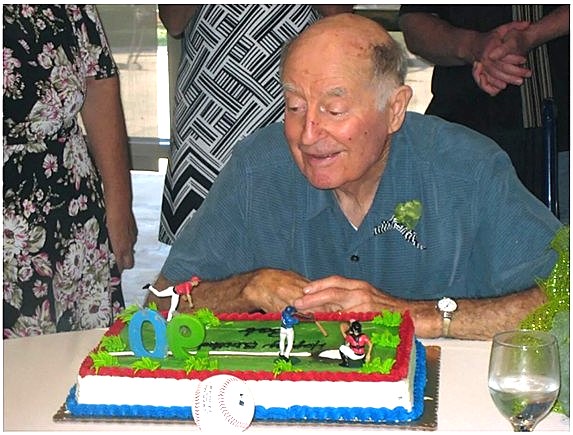
After baseball—and after serving in the Korean War with the U.S. Marines—Bob Brazelton achieved success as an attorney in Downey, California. In the 1990s he was twice elected to the Downey city council and briefly held the office of mayor. Bob Brazelton had been a star pitcher for the Loyola University Lions before his lone summer of professional baseball. When Bob’s children gave him a 90th birthday party, the festivities (and the cake) reflected his lifetime love of baseball.

The above headline refers to Bob Brazelton’s first professional game—a most eventful one, since Brazelton was able to win despite giving up 10 walks to the El Centro team. The Yuma reporter noted with much understatement that Brazelton was “a little wild throughout the game.” A few weeks later the Panthers released Bob Brazelton, but the young pitcher was soon signed by the Tucson Cowboys of the Southwest International League. He also played briefly for the Mexicali Eagles during the 1951 searon.
Panther Profile: Pat Clyde, catcher (1951)
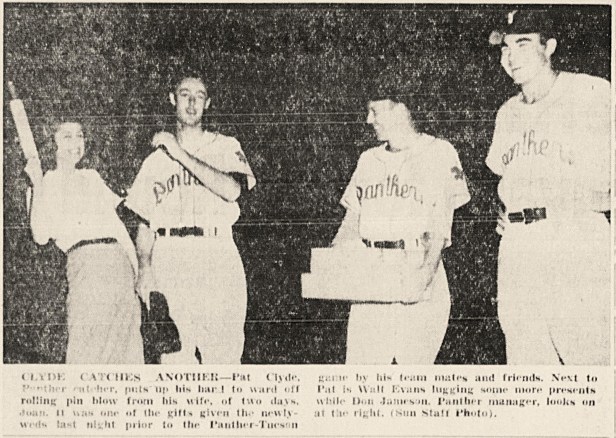
Panther catcher Pat Clyde epitomizes the uncertainty of a life in baseball. After playing for three different Class D teams in 1949 and 1950, Clyde signed with the Yuma Panthers in 1951. While in Yuma Pat Clyde married his Seattle sweetheart, Joan Bartlett, on June 14, 1951. Following the afternoon wedding, the groom suited up for that evening’s game with Tucson. The above photo shows the newlyweds receiving gifts, including a rolling pin, from the ballclub. Two weeks later, after playing 42 games with the Panthers, Pat Clyde was released by the team, ending his professional baseball career.
Fortunately, Pat and Joan Clyde had a good post-baseball life in Marysville, Washington, where Pat was the proprietor of a security company, and Joan was an elementary school teacher. Their Yuma marriage lasted 51 years until Pat Clyde’s death in 2003.
Trailblazing umpire makes historic debut in a Panthers game
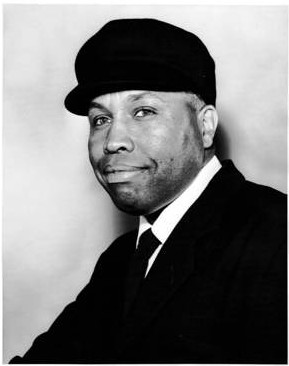
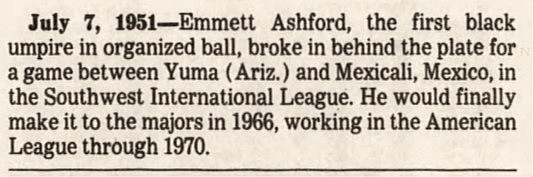
Emmett Ashford’s 1974 recollections of his historic debut on July 7, 1951: “. . . I had to work practically by myself because the other umpires refused to work with me. I got a substitute guy from El Centro to call the bases and I worked the entire four-game series behind the plate.”
In 1951 Emmett Ashford, at age 36, was hired as an umpire by the Southwest International League. He worked numerous Yuma Panther games in 1951 and 1952. In 1954 Ashford made the jump to the Pacific Coast League, where he umpired for a dozen years, eventually being named umpire-in-chief. And in 1966 Emmett Ashford became the first black man to umpire a Major League baseball game—15 years after breaking the same barrier in the minor leagues. For more about this fascinating baseball pioneer, see my earlier article, “Emmett Ashford—Trailblazing Baseball Umpire.”
Pampered Panthers?
No, the lifestyle of a lower-level minor league baseball player in the 1950s was not a pampered one. As the caption indicates most of the players were paid around $200 per month. The article accompanying the photo stated that on road trips the players received $3.00 per day for meal money. The article also noted that “the men sleep two to a room and they get team rates of $2 a night per man.” And then there were the long road trips in a non-air-conditioned bus to destinations as distant as El Paso.

Bob Werley was a longtime columnist and photographer with the Yuma Sun. He broke in as a young sportswriter in 1950 and often traveled with the team. His amusing recollections from 1986, as well as those of Walt Evans from 1995, appear below.
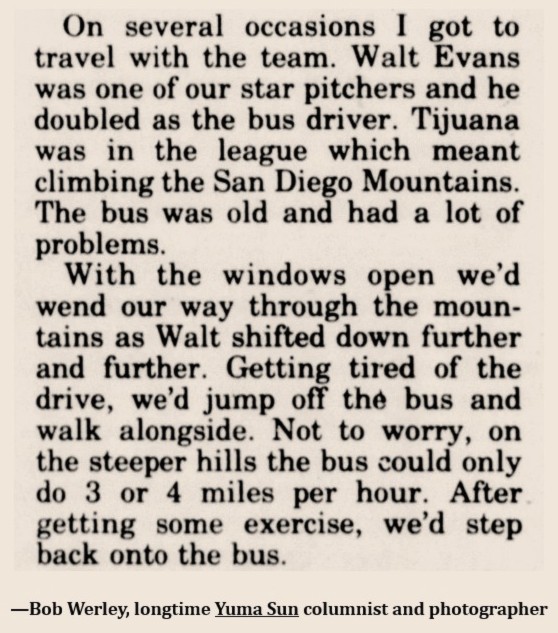
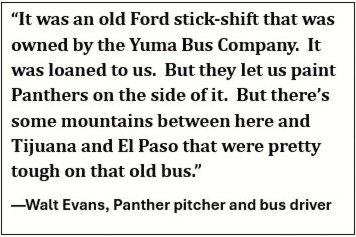
One reason Walt Evans remained with the Panthers all three seasons is that he was also the team’s indispensable bus driver—a duty that earned Walt an extra $100 per month.
Season Three (1952)
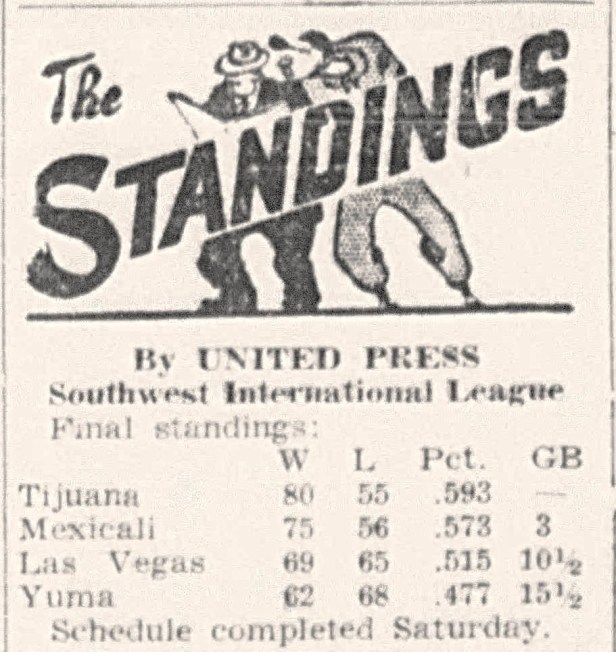
The 1952 Yuma Panthers, who began the season with 7 wins and 1 loss, posted the best record of their three seasons, but still finished under .500. And, since El Centro disbanded on July 13 and Porterville dropped out of the league on August 1, the Panthers finished at the bottom of the four-team standings. Several of the teams from the 1951 Southwest International League split from the league prior to the 1952 season to join the Arizona-Texas League: Juarez, El Paso, Phoenix, Tucson, Bisbee/Douglas, and Chihuahua.
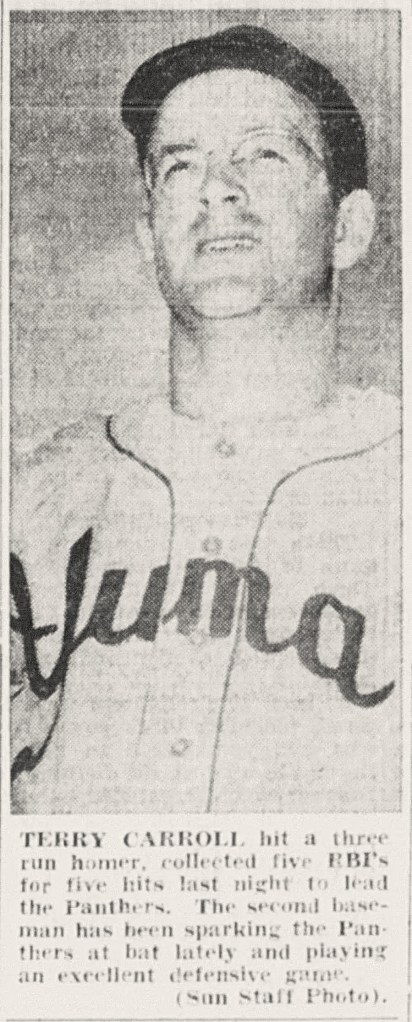
Terry Carroll, pictured above, was chosen as the 1952 team’s Most Valuable Player. The second baseman stole 41 bases, hit 34 doubles, and collected 95 RBIs.
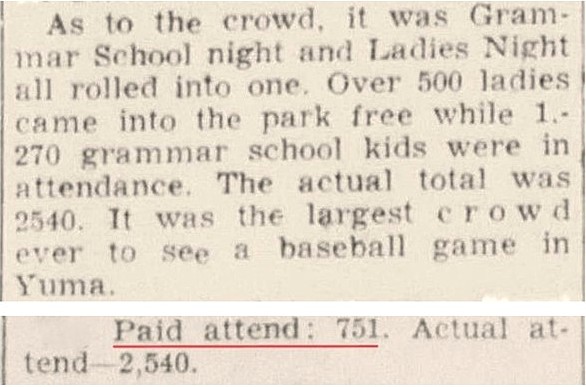
The good news about the Yuma Panthers April 30 game against the Porterville Padres: Yuma won 6-3 in front of a record crowd of 2,540. The bad news for a team struggling to stay afloat financially: only 751 of the fans in attendance paid to see the game. As the article states, “it was Grammar School night and Ladies Night rolled into one.”
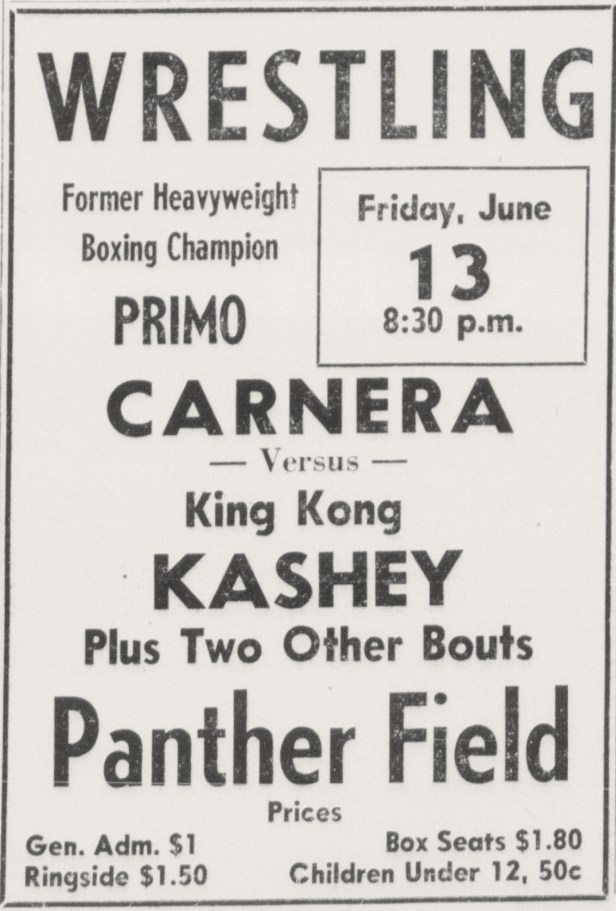
When the ballclub was on the road, Panther Field would occasionally host other events as a way to generate funds for the team. The June 13, 1952 wrestling contest featuring former boxing champion Primo Carnera drew a crowd of 1000—while the Panthers were in Tijuana losing a close game to the Potros.

On July 13, 1952 Yuma pitcher Walt Evans threw the second no-hitter in team history in defeating the Porterville Padres 9-2 in the first game of a Sunday night double-header at Panther Field. Attendance was reported as 809.
Panther Profile: Lewis “Zeke” Bekeza, manager (1952)
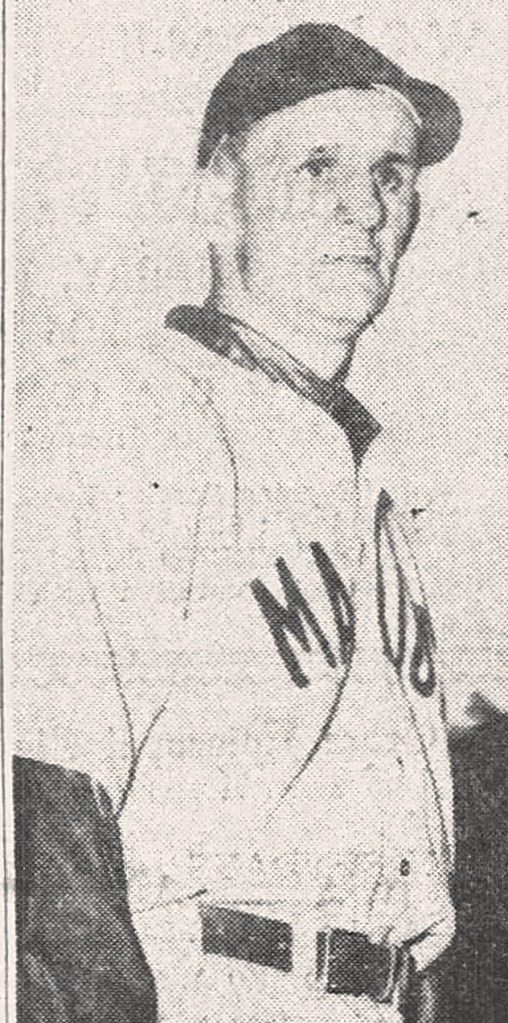
Lewis “Zeke” Bekeza was the only Panther manager to last a full season. The 1952 team finished with a 62-68 record which was a significant improvement from the 52-92 record of the previous year. At the age of 34, player-manager Zeke Bekeza was the team’s everyday first baseman. Bekeza hit for an impressive .331 average with 24 home runs while leading the team with 117 runs batted in.
Lewis Bekeza had a 12-year minor league career as a player and manager. He had the misfortune of managing 2 teams in their final season before disbanding: the 1952 Yuma Panthers and the 1954 Mount Vernon (Illinois) Kings.
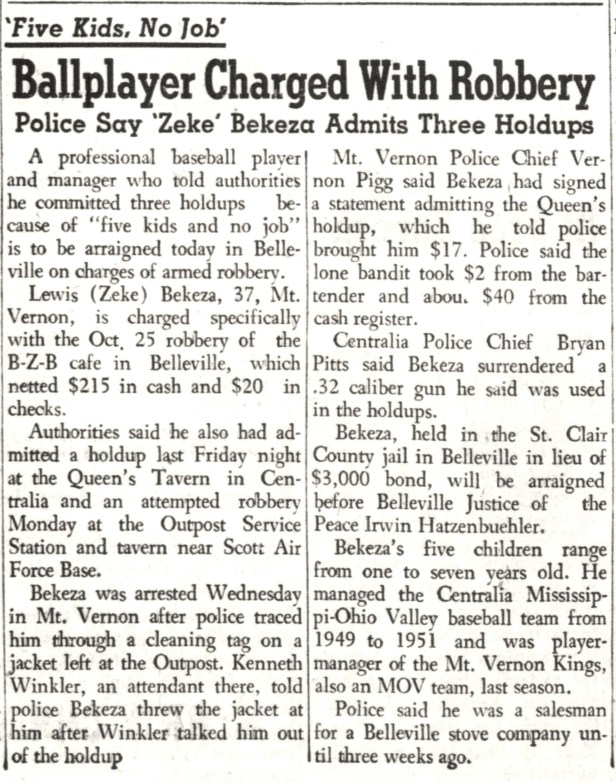
Lewis Bekeza’s baseball career ended abruptly due to the strange, sad incidents described below. He was released from prison in March 1956 after serving one year of a four-year sentence for armed robbery. Lewis Bekeza remained married to wife Kay for 54 years, dying in 2007 at age 87.
Panther profile: Ed Mayer, pitcher (1952)

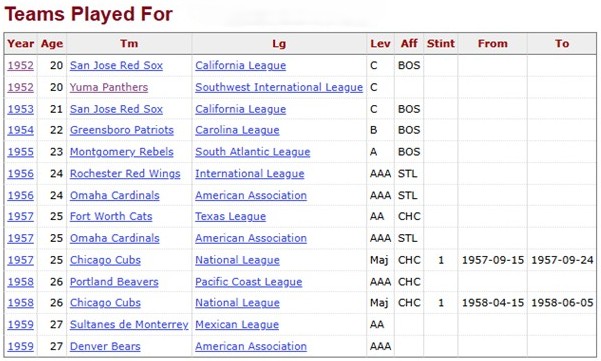
The above headline describes 20-year-old Ed Mayer’s only victory for the Yuma Panthers. The left-handed pitcher had a 1-3 record in his brief 4-game stint with the team. But Ed Mayer was a rare example of a lower-level minor leaguer who actually achieved his dream of making it to the major leagues. The graphic below shows Ed’s long road to the Majors. Unfortunately, arm troubles brought a premature end to Mayer’s professional baseball career. He appeared in 22 games with the Chicago Cubs in 1957 and 1958, compiling a 2-2 record with 1 save.
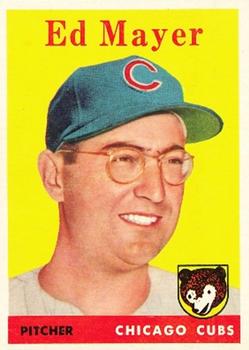
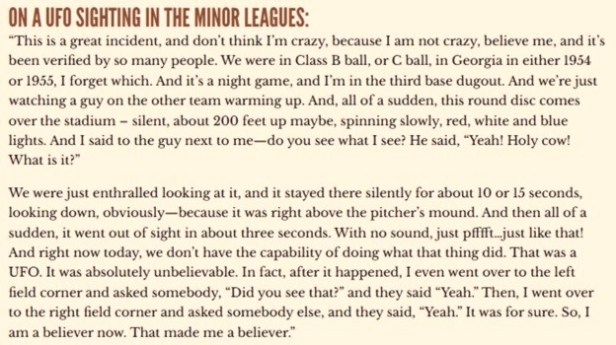
After baseball Ed Mayer was a middle school teacher for 25 years in Pacifica, California. He died in 2015 at the age of 84. In a later interview, Ed Mayer related a fascinating story of witnessing a UFO at a minor league ballpark (not in Yuma!):
Panther profile: John Sanderson, shortstop (1952)
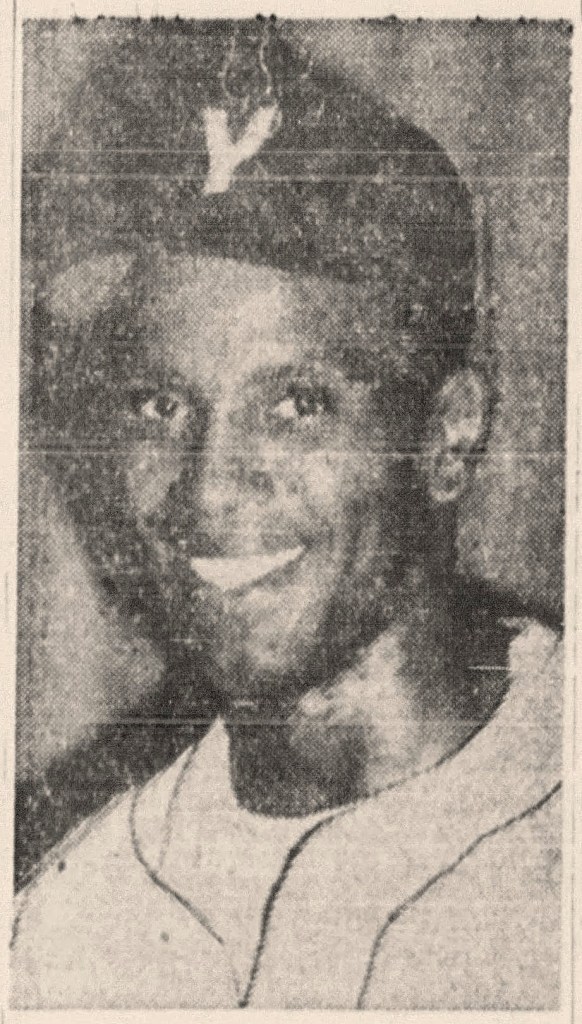
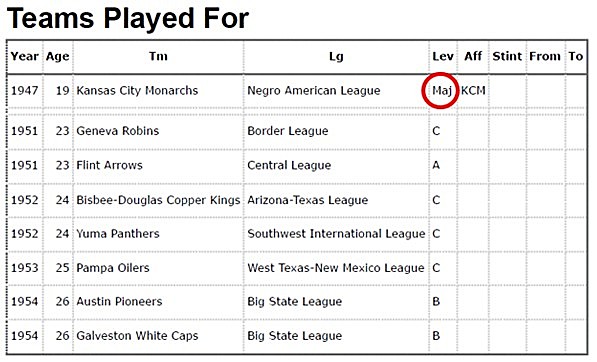
John Sanderson began the 1952 season with the Bisbee-Douglas team of the Arizona-Texas League. He played in only 79 games with the Panthers, but he was highly productive—accumulating 79 runs batted in and hitting 13 triples.

Young men entering professional baseball between 1945 and 2005 were typically asked to complete a “Weiss Baseball Questionnaire.” The above replies from John Sanderson’s questionnaire were prescient ones. After baseball Sanderson worked for several years as a golf pro in Pasadena, California, where he won local tournaments and placed 3rd in the 1963 California State Open.
By virtue of playing 9 games for the 1947 Kansas City Monarchs “Negro League” team as a 19-year-old, John Sanderson did play in the majors. In December 2020 Major League Baseball announced that the member teams and player statistics of the historic “Negro Leagues” would retroactively be given Major League status. It is unfortunate that most “Negro League” veterans, including John Sanderson—who died in 2008 at age 80—were not given this news during their lifetimes.
Panther Profile: Walt Tyler, outfielder (1952)
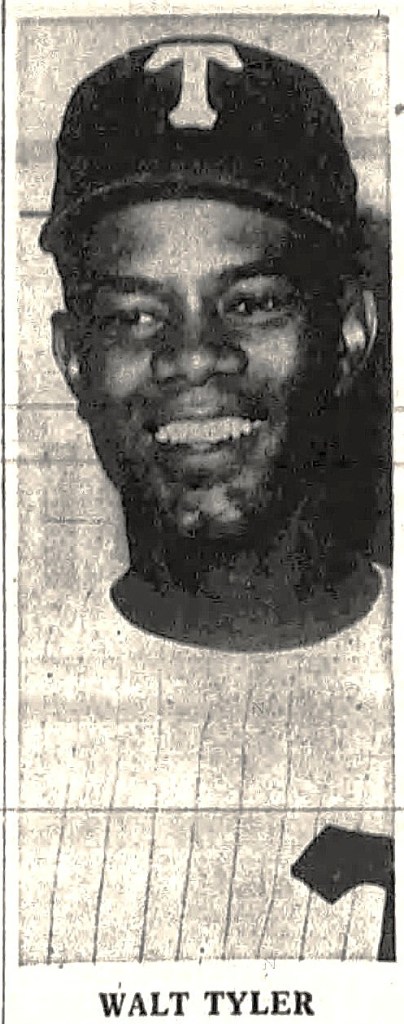
Walt Tyler was an outstanding hitter throughout his minor league career (1952-1960). He was signed by the Yuma Panthers after playing a handful of games for Porterville. Walt, who played right field and occasionally pitched, tied for the 1952 league batting championship by hitting .366. Walt Tyler also played on the 1955-1956 Yuma Sun Sox teams, winning another batting title in 1956 with an incredible .392 average. Tyler left pro baseball following his 1960 season with the Puebla Pericos of the Mexican League.

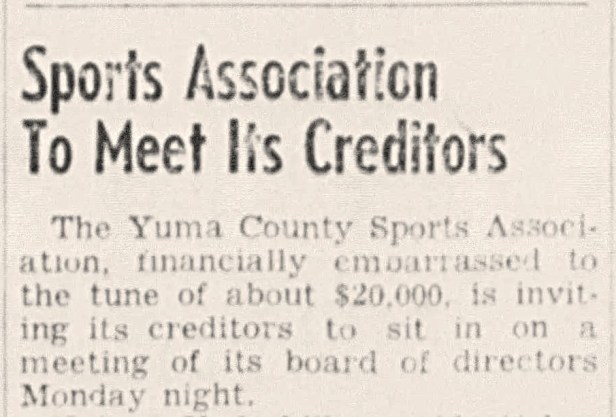
At the conclusion of the 1952 season, the Yuma County Sports Association was informed by business manager Swede Gunderson that the team was $20,000 in debt. (A later financial report upped the amount to $26,352.) Some public finger-pointing took place in the newspaper, including the Association’s charge that “at no time did Mr. Gunderson indicate that the affairs of the Association were in such serious circumstances.” Regardless of the assignment of blame, it was apparent that the Yuma Panthers’ financial insolvency would not allow them to return in 1953.
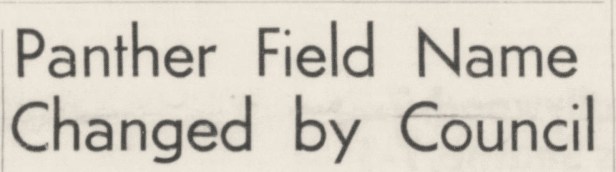
On July 21, 1953 the Yuma City Council formally acknowledged the demise of the Yuma Panthers by changing the name of Panther Field to the Yuma Municipal Baseball Park.
Yuma was without a minor league team in 1953 and 1954, but when the newly formed Arizona-Mexico League needed a last-minute replacement franchise for the 1955 season, the Yuma Sun Sox were born. The warning signs from the recent Yuma Panthers experience went unheeded, because for baseball lovers, hope springs eternal . . .
 Yuma History Guy